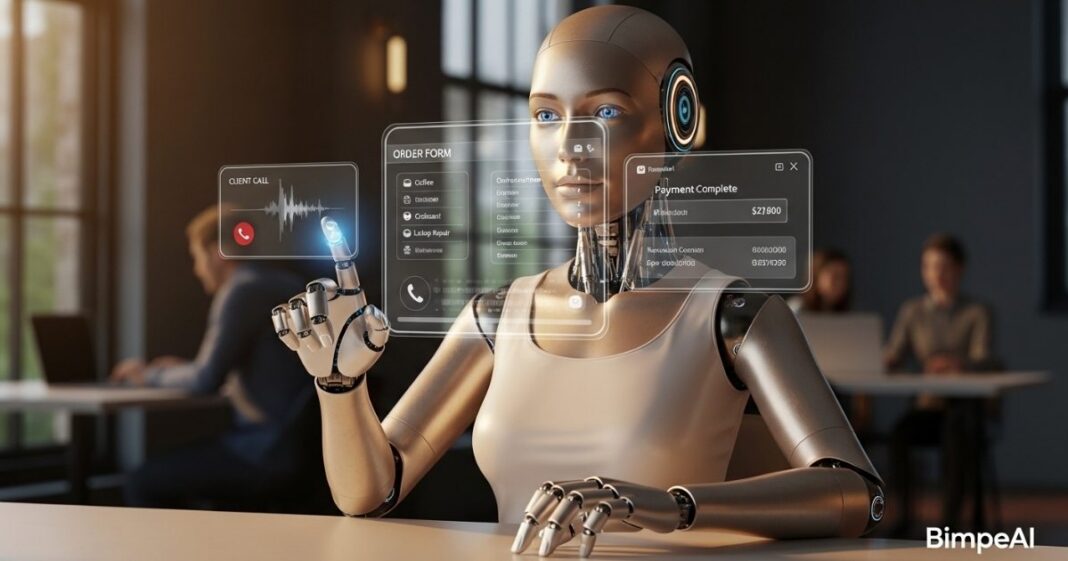
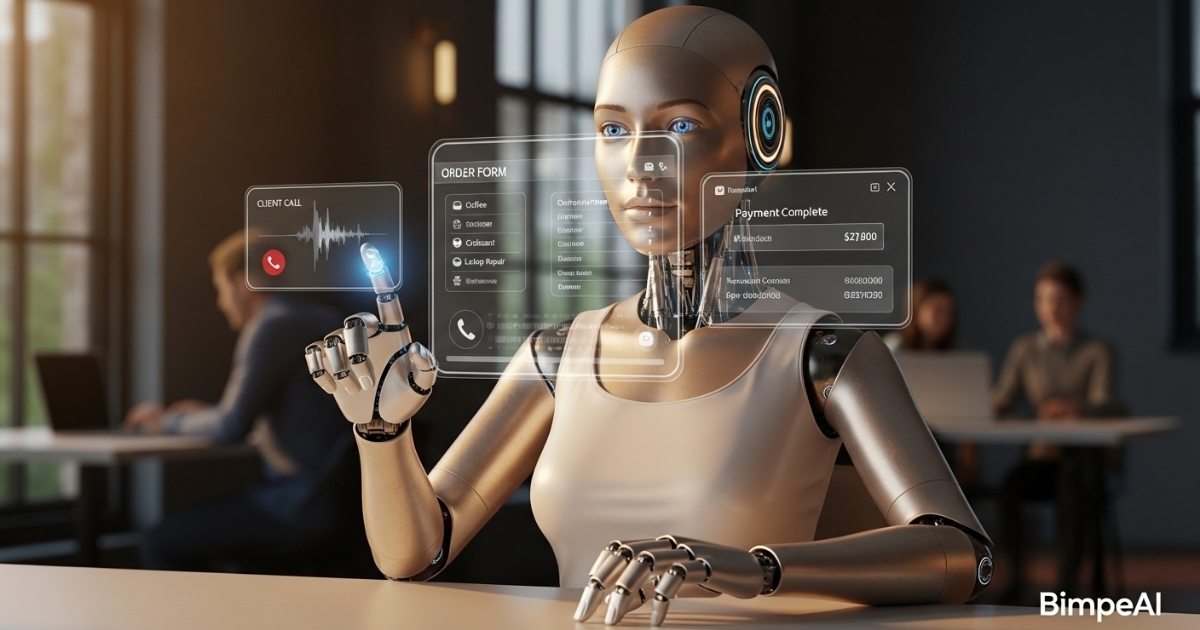
Eight jobs disappeared at Zap Africa. The reason was not a merger or funding crisis. It was an AI agent named Martha AI.
In February 2026, Nigerian fintech company Zap Africa reduced its staff from 18 to 10. Roles in customer support, operations, and marketing were affected. The company’s AI system, Martha, had taken over many of those tasks.
Now, the system has been upgraded. And the big question is simple: what does a smarter Martha mean for African workers?
Key Highlights
- Zap Africa cut 44% of its workforce after introducing Martha AI.
- Martha now includes an “empathy stack” that detects frustration and responds in real time.
- Entry-level, repetitive jobs are most at risk as AI adoption grows.
How Martha AI Changed Zap Africa
Martha was built by Moore Dagogo Hart, CTO of Zap Africa and founder of deep-tech lab Cognito Systems. It was designed to automate customer support in fintech companies.
Before Martha, large teams handled failed transfers, password resets, and account issues. After Martha, many of these problems were solved automatically.
According to Moore, Martha is not meant to “remove jobs” but to increase productivity.
One person can now do the work of three or four,
he told The Condia.
Still, the numbers are clear. After adopting the AI agent, Zap Africa cut nearly half its staff in one round of layoffs.
For many Africans working in entry-level support roles, that shift feels personal.
What Makes the New Martha Different?
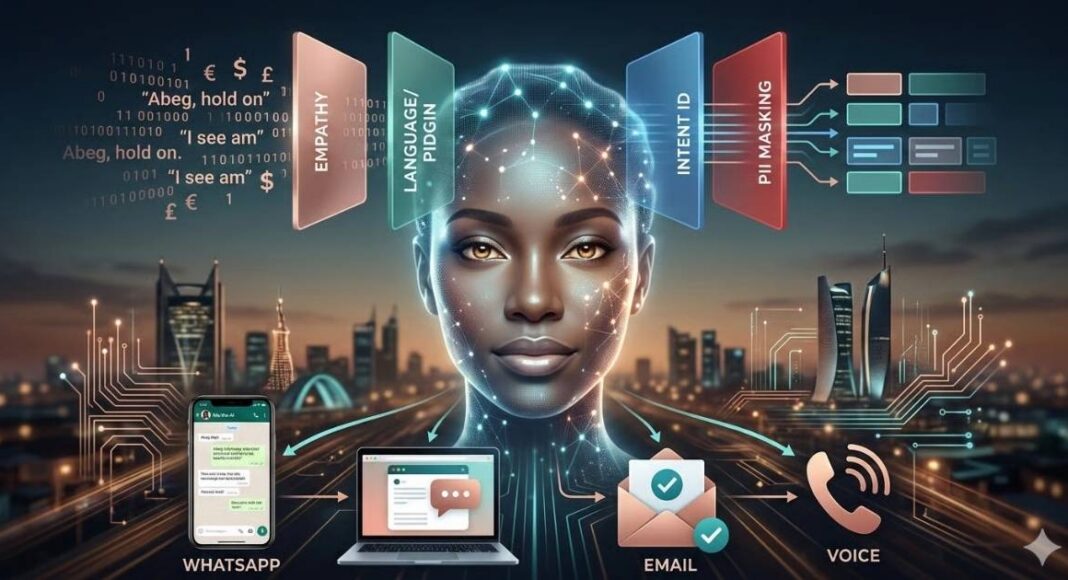
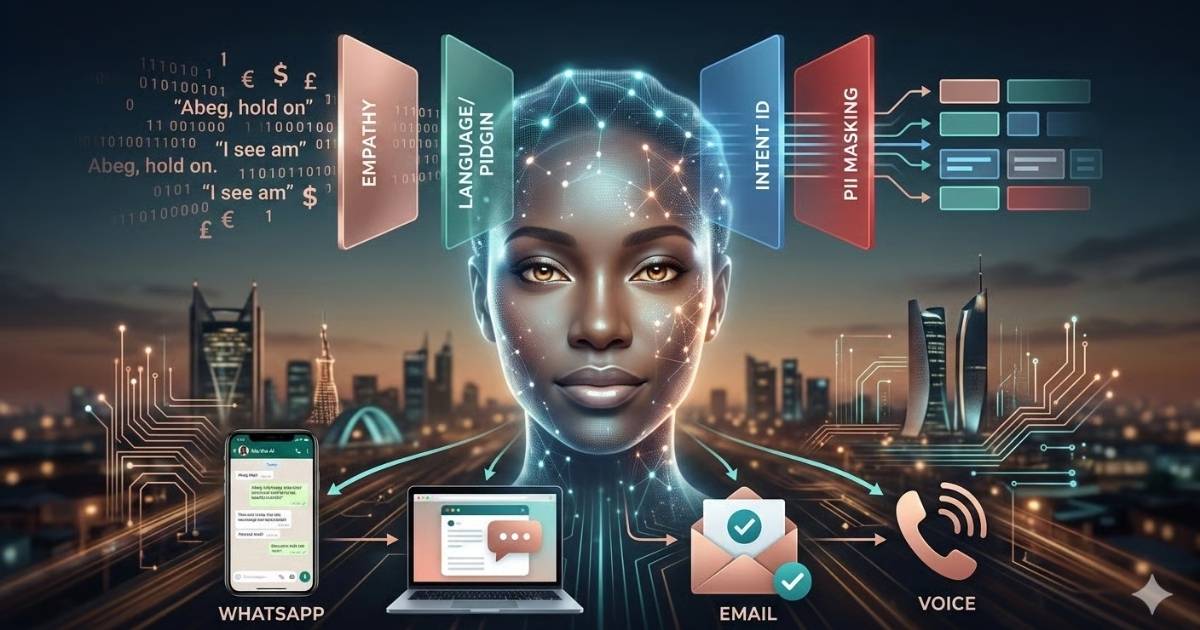
Cognito has now upgraded Martha with what it calls an “empathy stack.”
In simple terms, the AI can now:
- Detect a customer’s mood
- Understand local language and Nigerian Pidgin
- Identify the real problem behind emotional messages
- Remove sensitive data like BVNs and card numbers before processing
If a customer is angry about a failed transfer, the system can sense frustration and calm the situation in real time.
It can surface information about your customers and the kinds of activity they’re having,
Moore explained to The Condia.
Martha works across WhatsApp, websites, email, SMS, and even voice calls. Instead of forcing users to download new apps, it plugs into platforms Africans already use especially WhatsApp.
When customers call, the voice system can understand tone and respond conversationally.
Cognito says sensitive financial data stays within African regulatory boundaries, even if some AI processing uses global infrastructure.
Built for African Users
Unlike many imported automation tools, Martha was designed with African users in mind.
The system understands Pidgin and informal speech patterns. Moore said the team built special layers to help the AI understand how Africans communicate and expect to be spoken to.
That local focus could become an advantage.



Instead of Africa importing tech tools, this is a case where an African-built system may expand globally.
If that happens, Nigeria’s tough fintech environment becomes a testing ground that strengthens the product for international markets.
The Jobs Most at Risk
Moore does not describe the future as a collapse of work. He calls it restructuring.
Jobs like entry-level customer support will not be needed as much as they used to be,
he told The Condia.
Any job that is repetitive is at risk.
In the old model, support teams handled routine issues daily. Under an AI-led system, those issues are solved before a human steps in.
The roles most exposed are junior and process-driven.
Higher-level managers may remain relevant by supervising AI systems, setting escalation rules, and auditing decisions.
Moore advises workers to adapt.
Learn to use AI to 10x your value and your output at work,
he said.




But he also admitted the shift is disruptive. He encouraged founders to communicate early if AI adoption will reduce staff numbers and to provide severance packages and AI training where possible.
Africa has one of the youngest workforces in the world. Many young professionals start their careers in customer support, operations, and other entry-level tech roles.
If AI systems like Martha become common across fintech and other sectors, the structure of entry-level employment could change quickly.
At the same time, African-built AI solutions gaining global traction could signal a new era of tech leadership from the continent.
The opportunity is clear. So is the risk.

The Money Mistake 9 Out of 10 People Make Daily
What Your Doctor Won't Tell You About Sleep

Why Everyone's Suddenly Doing This Before Bed
What do you think, is Martha a sign of progress, or a warning for Africa’s workforce?
Source: The Condia