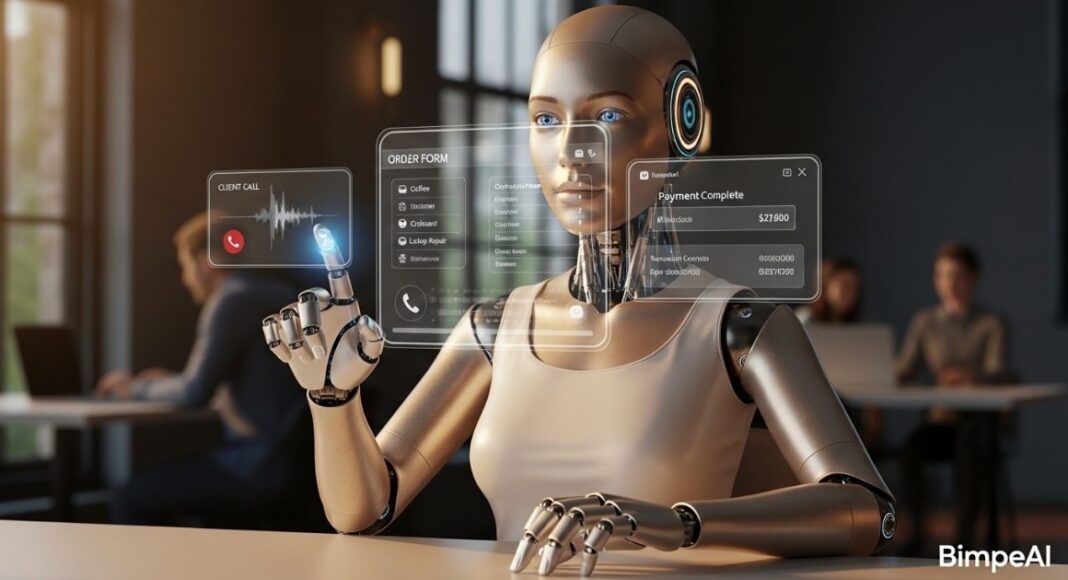
What if your business could answer calls, take orders, and process payments while you sleep?
That’s the promise behind BimpeAI, a Yoruba-named artificial intelligence assistant built by Nigerian tech professional Sam Adekunle. The tool is now helping businesses in the United Kingdom manage customers, inventory, and deliveries automatically.
According to a report by Condia, BimpeAI is quietly becoming a powerful tool for restaurants, retailers, and logistics operators from Lagos to London.
Key Highlights
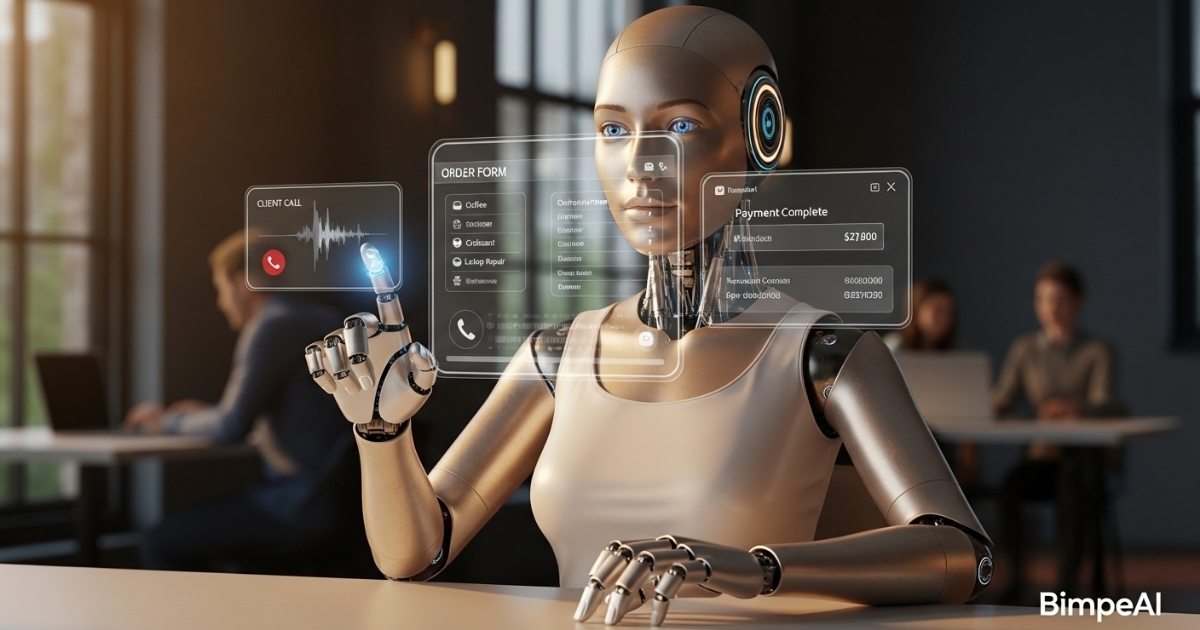
- BimpeAI answers customer calls, checks stock, and processes payments automatically.
- It connects with platforms like Shopify and Google tools to manage orders and schedules.
- Founder Sam Adekunle plans to integrate it with telecom providers like MTN for African businesses.
Why It’s Called Bimpe
In 2010, Nigerian singer Asa released a song titled Bimpe, about a sister-in-law who always interfered.
Sixteen years later, Sam Adekunle is redefining that name.
In an interview with Condia, Sam explained that “Bimpe” is actually a play on the Yoruba phrase “Bi mi pe,” meaning “ask me.” The idea is simple: businesses can “ask” BimpeAI to handle tasks for them.
Unlike many complex tech tools, BimpeAI is built as a “no-code” platform. This means users do not need programming skills to use it. Agencies, automation engineers, and developers can also build advanced tools on top of it.
How BimpeAI Works for Businesses
In the UK, BimpeAI supports restaurants and small retailers with what experts call “last-mile logistics.” That simply means the final step of getting products from a store to the customer.
The assistant connects with systems like Shopify for online stores, Google Calendar for bookings, and local delivery platforms. It can answer customer questions, update stock records, and even complete payments.
Sam gave an example in his interview with Condia:
Instead of typing “TV” into an online store like Jumia, a customer could simply say, “I want a TV for my house this size,” or ask for clothing recommendations within a certain budget. The AI then suggests options.
The long-term plan is even more local.
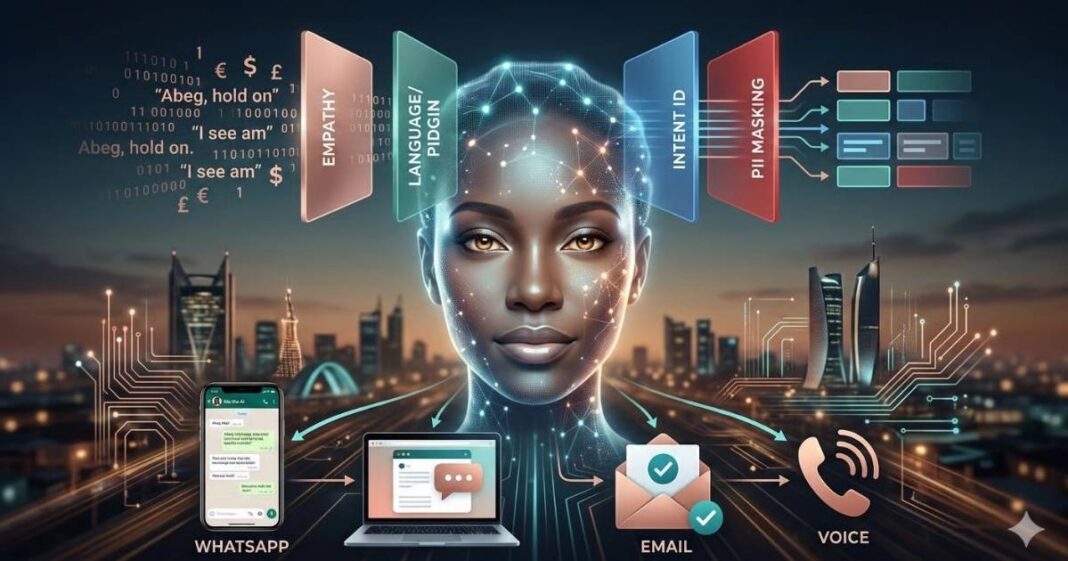
Sam hopes to integrate BimpeAI with telecom companies such as MTN. This would allow small businesses in places like Ibadan to receive calls answered by the AI in English or Nigerian Pidgin. The assistant could take orders and update a digital sales record instantly.
For many small traders, this could mean fewer missed calls and more sales.



The Challenge: Speed and Infrastructure
One major challenge is latency. In simple terms, latency is delay. If the AI takes too long to respond or translate speech, customers may hang up.
Sam believes local infrastructure improvements could solve this problem. He pointed to growing data center investments across Africa and new technologies designed to reduce response time.
If the system can respond in real time, it could make AI phone assistants practical for everyday African businesses.
From Ile-Ife to the UK: Sam’s Journey
Sam’s tech journey began at Obafemi Awolowo University in Ile-Ife, Osun State.
There, he launched StartupGrind to support students building tech solutions. He later worked at TechCircle, helping startups through incubation and accelerator programs. His career expanded globally when he joined Turing, where he built developer communities across Africa, South America, and Southeast Asia.
Today, Sam works at Meta, focusing on helping developers and creators grow adoption for their products.
Across these roles, one lesson stood out: community drives growth.




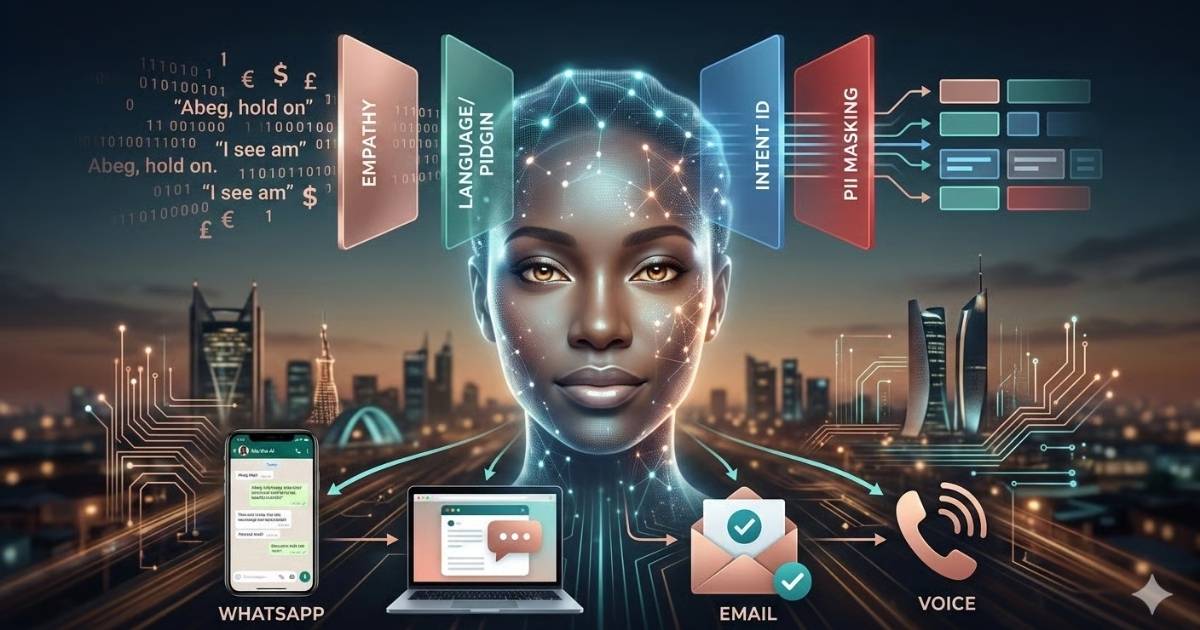
BimpeAI scales through partnerships with trusted organizations. By working within established communities, Sam says adoption becomes easier and faster.
For many African entrepreneurs, hiring staff to answer phones and manage orders is expensive.
An AI assistant that works 24/7 could reduce costs and increase sales. It may also help small businesses compete globally, especially those serving customers abroad.

The Money Mistake 9 Out of 10 People Make Daily
What Your Doctor Won't Tell You About Sleep

Why Everyone's Suddenly Doing This Before Bed
BimpeAI is still growing, but its cross-border focus shows how African-founded technology can solve global problems.
Would you trust an AI to run parts of your business? Share your thoughts with us.