back to top
11.5 C
London
Friday, April 17, 2026

Free Download

More
    No menu items!
    Home Blog Page 19

    Enhancing WhatsApp Security with WhatsApp Email Address Verification

    0
    WhatsApp Email Address Verification

    WhatsApp has taken a significant step in fortifying your online security with the introduction of WhatsApp Email Address Verification. In this article, we’ll explore how this new feature adds an extra layer of protection to your WhatsApp account, ensuring a safer and more secure messaging experience.

    In today’s fast-paced digital world, safeguarding your online presence is of utmost importance. WhatsApp, one of the leading instant messaging platforms, recognizes this and is continuously working to enhance the security of your account.

    The latest update, version 2.23.24.10, available through the Google Play Beta Program, brings an exciting new feature that adds an extra layer of protection to your WhatsApp account.

    Let’s delve into the details of this innovative security feature and how it can benefit you.

    A Safer WhatsApp Experience

    Based on the report by WABetaInfo, WhatsApp has been working diligently to ensure its users have the most secure and reliable experience possible. In recent updates, they introduced a new security feature aimed at bolstering the safety of your account. In this version, 2.23.24.10, this feature has become available to some beta testers.

    What’s New in This Update?

    Upon installing the latest WhatsApp beta for Android 2.23.24.10 update, users can now associate their email address with their WhatsApp account, adding an extra layer of security. This is particularly useful in situations where you might need an alternative way to access your account.

    How to Enable WhatsApp Email Address Verification

    To check if this feature is available for your account, follow these steps:

    1. Open WhatsApp and go to “Settings.”
    2. Select “Account.”
    3. Choose “Email Address.”

    You can configure this feature from here, making your account even more secure.

    Why Verify Your Email Address?

    The introduction of the “Email address” feature is an essential step towards enhancing your overall WhatsApp experience. While your phone number remains the unique identifier for your account and the primary way to log in, adding an email address offers an extra level of security. It’s especially beneficial when you want to log into your WhatsApp account on another device using your email. Note that the option to use SMS for verification is still available.

    Extra Layer of Security

    By choosing to associate your email address with your WhatsApp account, you are adding an extra layer of protection to your data. This feature offers users an alternative means to access their accounts, ensuring a safer and more secure experience.

    Frequently Asked Questions (FAQs)

    1. Is the “Email address” feature mandatory?
    No, it is optional, but it is highly recommended for added security.

    2. Can I still use my phone number to log in after verifying my email address?
    Yes, your phone number remains the primary way to access your WhatsApp account. The email address verification is an additional layer of security.

    3. How can I check if the feature is available for my account?
    Go to WhatsApp Settings > Account > Email Address, where you can configure this feature.

    4. Is the feature available to all WhatsApp users?
    Initially, it is available to some beta testers, and it will roll out to more users over the coming weeks.

    5. Can I disable the email address verification once enabled?
    Yes, you can disable it in the settings if you decide you no longer wish to associate your email address with your WhatsApp account.

    Conclusion

    WhatsApp’s commitment to user security is evident with the introduction of the “Email address” feature. This added layer of protection allows you to secure your account further, ensuring that your personal data remains confidential and accessible only to you.

    For those concerned about the security of their WhatsApp accounts, this feature is a welcome addition, as it provides a safer and more versatile way to access your account when needed.

    So, if you’re a beta tester, make sure to update your WhatsApp to version 2.23.24.10 through the Google Play Beta Program to take advantage of this new security feature.

    Source: WABetaInfo

    Chelsea Ends Tottenham’s Unbeaten Run in Dramatic VAR-Filled Clash

    0
    Chelsea Ends Tottenham’s Unbeaten Run in Dramatic VAR-Filled Clash

    The Premier League 2023-24 season continues to deliver thrilling football action, and one match that stole the spotlight was the face-off between Tottenham and Chelsea.

    In a VAR drama-filled encounter, Chelsea put an end to Tottenham’s unbeaten run in spectacular fashion. The match was filled with stunning goals, controversial decisions, and intense moments, keeping fans on the edge of their seats.

    The game began with Tottenham taking an early lead through Kulusevski, but their fortunes took a turn for the worse as Romero’s foul on Enzo led to a penalty, and Udogie received a second yellow card, leaving Tottenham with just nine players on the field. Chelsea capitalized on this advantage and clinched the win.

    1. Early Drama (5’): Spurs Take the Lead
    The match kicked off with a bang as Kulusevski put Spurs ahead with a stunning left-footed curler, leaving Chelsea’s defenders stunned.

    2. VAR Check (12’): Son Denied
    Spurs had a quick counter-attack that saw Son netting the ball, but a VAR check ruled it offside, keeping the score-line unchanged.

    3. Chelsea’s Response (21’): Sterling’s Goal Disallowed
    Chelsea fought back with Raheem Sterling finding the net, but VAR intervened, disallowing the goal due to a possible handball.

    4. Dramatic Red Card (32’): Romero Sent Off
    Michael Oliver, the referee, had to consult VAR, which resulted in Romero receiving a red card for a dangerous challenge on Enzo inside the box.

    5. Penalty Drama (33’): Palmer Equalizes
    Palmer calmly converted a penalty awarded to Chelsea following Romero’s foul, leveling the score.

    6. Disallowed Goal (34’): Caicedo’s Effort Ruled Out
    Caicedo thought he’d scored, but the linesman’s flag was up, and VAR confirmed it was offside.

    7. Sterling’s Challenge (54’): VAR Check for Yellow Card
    Sterling was involved in a challenge, leading to yellow cards for both sides after a confrontation.

    8. RED CARD (54’): Udogie’s Second Yellow
    Udogie received his second yellow card for a foul against Sterling, reducing Spurs to nine players.

    9. Controversy (77’): Dier’s Goal Called Offside
    Eric Dier’s superb finish was called offside by the linesman, sparking VAR check drama. It was a close call.

    10. Chelsea Takes the Lead (74’): Jackson’s Brace
    Jackson scored for Chelsea, putting them ahead with a close-range goal assisted by Sterling.

    11. Thrilling Counter-Attacks (94’): Jackson’s Brace
    The Gambia-born forward, Jackson, showcased his brilliance with another goal during a counter-attack, securing a brace.

    12. Hat-Trick Hero (96’): Jackson Completes His Hat-Trick
    In the dying moments, Jackson completed his hat-trick, putting the match beyond reach with a devastating counter-attack.

    The Premier League clash between Tottenham and Chelsea in the 2023-24 season was nothing short of extraordinary. The match featured early drama, VAR interventions, stunning goals, and controversial decisions.

    Chelsea’s Jackson emerged as the hero with a remarkable hat-trick, sealing the victory including a brace in the dying minutes, to seal Chelsea’s dominance. It was a rollercoaster of emotions for both sets of fans, and a testament to the unpredictability of football.

    Chelsea showed their determination and resilience, ultimately ending Tottenham’s unbeaten run. The drama, goals, and excitement on the pitch made this encounter a memorable one for football enthusiasts.

    As the Premier League continues, fans can expect more exhilarating moments and unexpected twists in the days to come. Football, with all its unpredictability and drama, never fails to deliver excitement and keep fans hooked to the beautiful game.

    Have an opinion on this issue? Share your thoughts in the comments below. Please Share this blog post with your friends and relatives! Let’s spread the love together.

    Please subscribe to our YouTube Channel to receive awesome updates on Sport, Web stories, and entertainment. You can also follow us on Tiktok.

    Emotional Return: Luis Diaz Rescues Liverpool with Late Equalizer against Luton Town on Sunday

    0
    Emotional Return: Luis Diaz Rescues Liverpool with Late Equalizer against Luton Town on Sunday

    In a heart-stopping Sunday showdown, Liverpool’s Luis Diaz made a triumphant return to the squad, scoring a heart-stopping late goal to secure a 1-1 draw against Luton Town.

    Diaz’s return was nothing short of extraordinary. He had been missing from the Liverpool lineup since his father was kidnapped in Colombia, an event that had shaken not only him but also the football world. However, his determination to return to the pitch and make a difference was evident.

    His emotional comeback was truly extraordinary., as he revealed a poignant ‘Libertad Para Papa’ (Freedom for Dad) message under his shirt. The clash saw Tahith Chong’s late goal almost sealing a stunning victory for Luton, but Diaz’s heroics turned the tide.

    Here’s the thrilling match breakdown.

    As the match reached its climax, it was Tahith Chong who initially seemed to have secured a famous win for Luton with a late goal, leaving Liverpool players and fans in despair. The Hatters were on the verge of a memorable Premier League victory.

    But football has a way of delivering surprises, and this Sunday was no different. In the dying moments of stoppage time, Luis Diaz came off the bench to head home Harvey Elliott’s cross. His goal was not just a goal; it was a message of resilience and strength.

    Underneath his jersey, Diaz unveiled a ‘Libertad Para Papa’ (Freedom for Dad) message. It was a poignant gesture that resonated with the footballing community and beyond. Despite his father’s continued absence, Diaz showed that the love for the game and the support of his team were powerful motivators.

    Luton had thought they had secured three points when Tahith Chong tapped home after a counterattack, while Liverpool players claimed a handball by Ross Barkley from their corner. The much-discussed VAR decision upheld the Luton goal, much to the celebration of the Kenilworth Road faithful.

    Before Luton’s opener, Liverpool’s Darwin Nunez had an opportunity to change the course of the game, but he blazed over from close range following Mohamed Salah’s header across the goal. Nunez’s miss added to Liverpool’s missed chances, making their late equalizer all the more dramatic.

    The result meant that Liverpool missed an opportunity to climb to second place in the table, while the point earned Luton some breathing room outside the relegation zone.

    The match showcased the unpredictability and emotion that football can bring. Luis Diaz’s return and late heroics were a testament to the indomitable spirit of the sport and its players. It was more than just a goal; it was a message of hope and determination.

    Emotional Return: Luis Diaz Rescues Liverpool with Late Equalizer against Luton Town on Sunday

    In the world of football, where victories and defeats are often measured in goals, this match will be remembered for the sheer strength of character displayed by Luis Diaz. His emotional return and the ‘Libertad Para Papa’ message will be etched in football history as a reminder that the beautiful game is not just about wins and losses but about the unwavering spirit of its players.

    The football community now eagerly anticipates the next chapter in this extraordinary journey. Luis Diaz’s emotional return is a story that transcends the boundaries of the sport, reminding us all of the power of resilience and determination, on and off the pitch.

    Match Statistics:

    • Possession: Liverpool 74% – 26% Luton Town
    • Shots: Liverpool 24 – 8 Luton Town
    • Shots on Target: Liverpool 6 – 5 Luton Town
    • Corners: Liverpool 5 – 7 Luton Town
    • Yellow Cards: Liverpool 1 – 1 Luton Town
    • Fouls: Liverpool 13 – 7 Luton Town

    In a match dominated by Liverpool in terms of possession and chances created, it was Luton’s strong defensive performance and counterattacking prowess that almost earned them a historic victory. The missed opportunities by Liverpool, including Darwin Nunez’s shocking miss and Luis Diaz’s late equalizer, showcased the unpredictability of football.

    The Liverpool manager, Jurgen Klopp, expressed his belief that his team should have been awarded a penalty before Luton took the lead, referring to an incident involving Virgil van Dijk being brought down by Elijah Adebayo. VAR waved away the claims, leading to a passionate debate.

    Despite the late equalizer, Luton manager Rob Edwards expressed more pride than disappointment in his team’s performance, highlighting the progress they have made in recent games. The game exemplified the unpredictability and excitement that the Premier League brings week in and week out.

    Conclusion:

    The emotional rollercoaster that was the match between Liverpool and Luton Town will be etched in the memories of football fans for some time to come. Luis Diaz’s return to the pitch after the harrowing kidnapping of his parents and his late equalizer, coupled with the ‘Libertad Para Papa’ message, was a testament to the resilience and determination of athletes in the face of adversity.

    Football, beyond being a sport, is a platform where human stories unfold. It’s not just about the goals, assists, and victories, but the strength of character displayed by players like Luis Diaz. His moment of glory was not just a goal; it was a symbol of hope and inspiration.

    This match serves as a reminder that football transcends the boundaries of the field. It is a game that can inspire and uplift, even in the face of the most challenging circumstances. The footballing world eagerly awaits the next chapter in Luis Diaz’s remarkable journey and the continued progress of both Liverpool and Luton Town in the Premier League.

    As the footballing community reflects on this gripping encounter, it’s clear that the beautiful game is more than just a game; it’s a reflection of the indomitable human spirit.

    Have an opinion on this issue? Share your thoughts in the comments below. Please Share this blog post with your friends and relatives! Let’s spread the love together.

    Please subscribe to our YouTube Channel to receive awesome updates on Sport, Web stories, and entertainment. You can also follow us on Tiktok.

    Newcastle Stuns Arsenal with Controversial Victory, Handing Them First Premier League Loss

    0
    Newcastle Stuns Arsenal with Controversial Victory, Handing Them First Premier League Loss

    Newcastle United managed to hand Arsenal their first defeat of the season with a 1-0 victory. This game will be remembered for a controversial second-half goal by Anthony Gordon that stood after a lengthy VAR review.

    The Shocking Victory

    An Unforgettable Goal

    The turning point of the match came in the 64th minute when Anthony Gordon found the back of the net. He fired the ball past Arsenal’s goalkeeper, David Raya, from close range after a goalmouth scramble. This goal left fans on the edge of their seats and sparked controversy that resonated far beyond the final whistle.

    VAR Drama

    The goal’s legitimacy was under scrutiny as VAR officials carefully reviewed several aspects of the play. They examined whether the ball went out of bounds, potential fouls in the build-up, and offside situations. This intense scrutiny added to the drama of the game, leaving both sets of fans anxious.

    Managerial Reactions

    Arteta’s Frustration

    Arsenal’s manager, Mikel Arteta, was furious with the goal, expressing his frustration in no uncertain terms. He labeled it an “absolute disgrace” and deemed it “embarrassing” for the Premier League. The controversial goal left a bitter taste for the Arsenal camp.

    Howe’s Praise

    In contrast, Newcastle’s manager, Eddie Howe, had every reason to be delighted. He praised his players for their battling performance and acknowledged the significance of this victory for the team. The win capped off a brilliant week for Newcastle, which included a stunning 3-0 victory over League Cup holders Manchester United.

    An Intense Face-off

    Emotions Running High

    The match at St. James’ Park was characterized by intense emotions, with tempers flaring on several occasions before the halftime break, reflecting the heightened tensions on the field.

    Physicality and Incidents

    The match was physical, with incidents like Kai Havertz’s reckless tackle and altercations involving other players. The intensity of the game made it a challenging spectacle for both the teams and the fans.

    Current League Standings

    Newcastle’s victory has propelled them up the Premier League standings. They now sit in sixth place with 20 points from 11 games, and their impressive unbeaten streak in the last seven league outings has raised their profile in the competition.

    Arsenal, on the other hand, experienced their first goalless match in all competitions this season. Despite this setback, they maintain their position in the league, holding the third spot with 24 points, trailing league leaders Manchester City by three points.

    Frequently Asked Questions (FAQs)

    1. How did Anthony Gordon’s goal become so controversial?
    Anthony Gordon’s goal in the match against Arsenal became controversial due to a lengthy VAR review, during which officials assessed various aspects of the play, including potential fouls and offside situations.

    2. How has this victory affected Newcastle United’s position in the Premier League?
    Following this victory, Newcastle United has risen to the sixth position in the Premier League standings, accumulating 20 points from 11 games.

    3. What were the key moments in the game at St. James’ Park?
    The match was marked by intense emotions, physical play, and incidents like Kai Havertz’s reckless tackle. These moments added to the overall excitement of the game.

    4. How did Arsenal’s manager, Mikel Arteta, react to the controversial goal?
    Mikel Arteta expressed his frustration with the goal, deeming it an “absolute disgrace” and “embarrassing” for the Premier League.

    5. Has Arsenal faced any other losses in the season apart from this one?
    Arsenal’s loss to Newcastle United was their first Premier League defeat of the season. However, they may have faced losses in other competitions.

    Conclusion

    Newcastle’s historic victory against Arsenal will be remembered as a significant moment in the Premier League season. This match showcased the unpredictability and excitement that makes football the beautiful game.

    Have an opinion on this issue? Share your thoughts in the comments below. Please Share this blog post with your friends and relatives! Let’s spread the love together.

    Please subscribe to our YouTube Channel to receive awesome updates on Sport, Web stories, and entertainment. You can also follow us on Tiktok.

    Shared, VPS, or Dedicated Hosting: Making the Right Decision

    0
    Shared, VPS, or Dedicated Hosting: Making the Right Decision

    Discovering the differences between shared, VPS, and dedicated hosting options will help you make an informed decision for your website needs.

    It is crucial to have a clear understanding of the various hosting options available. Whether you are venturing into website ownership for the first time or looking to upgrade your current hosting plan, comprehending the key differences between shared, VPS, and dedicated hosting is essential.

    This blog post aims to provide a comprehensive overview of these hosting options, enabling you to make an informed decision about which option best suits your specific needs and requirements.

    By the end of this blog post, you will have a thorough understanding of shared, VPS, and dedicated hosting, allowing you to confidently navigate the digital landscape.

    Introduction to Shared, VPS, or Dedicated Hosting Before Making the Right Decision

    In today’s digital eco-system, having a reliable and secure web hosting solution is essential for the success of any online business or website. When it comes to hosting, there are several options available, including Shared, VPS (Virtual Private Server), and Dedicated hosting. Each of these hosting types offers unique features and benefits, catering to different needs and requirements.

    Highlighting their differences, advantages, disadvantages, pricing, performance, scalability, resource allocation, security, and server management. Let’s dive in to have a clear understanding of which hosting option is the best fit for your specific needs.

    Difference between Shared, VPS, and Dedicated Hosting

    Let’s first establish a clear differentiation between Shared, VPS, and Dedicated hosting.

    Shared hosting is a hosting environment where multiple websites share the same physical server, along with its resources such as CPU, memory, and disk space. This makes it a cost-effective solution for individuals and small businesses with low to moderate web traffic.

    VPS hosting on the other hand, provides a virtualized environment within a physical server. While multiple VPS instances are hosted on the same physical server, each VPS operates independently, with dedicated resources such as CPU, memory, and storage. VPS hosting offers a higher level of control and customization compared to shared hosting and is suitable for websites with moderate to high traffic.

    Dedicated hosting, as the name suggests, provides exclusive use of an entire physical server. This hosting type offers the highest level of performance, control, and security, making it ideal for websites with heavy traffic, resource-intensive applications, or those that require maximum customization.

    Now that we have established the fundamental differences, let’s dive deeper into each hosting type to understand their features, advantages, disadvantages, and best use cases.

    Shared Hosting

    Definition and Concept

    Shared hosting involves hosting multiple websites on a single server, where all the resources are shared among the websites. This includes sharing the server’s CPU, memory, storage, and bandwidth.

    Advantages

    Shared hosting is the most affordable hosting option available, making it an excellent choice for individuals and small businesses on a budget. It is easy to set up, as the hosting provider handles the server administration and maintenance tasks. Shared hosting also offers a user-friendly control panel to manage websites and email accounts.

    Disadvantages

    One of the significant drawbacks of shared hosting is the limited resources and potential performance fluctuations. Since multiple websites are hosted on the same server, heavy traffic or resource-intensive activities by one website can impact the performance of other websites on the same server. However, customization options are limited in shared hosting, restricting the ability to install custom software or make server-level modifications.

    Best Use Cases

    Shared hosting is best suited for small websites, personal blogs, portfolios, and businesses with low to moderate web traffic. It is an excellent option for beginners or those with limited technical knowledge who want an affordable and hassle-free hosting solution.

    VPS Hosting

    Definition and Concept

    VPS hosting creates a virtualized environment within a physical server, allowing multiple VPS instances to operate independently. Each VPS has dedicated resources and its own operating system, providing increased performance and control compared to shared hosting.

    Advantages

    VPS hosting offers greater control and customization options compared to shared hosting. Users have root access to their VPS, enabling them to install custom software, make server-level configurations, and manage resource allocation. VPS hosting provides more reliable performance as the resources are not shared among multiple websites, ensuring consistent speed and stability.

    Disadvantages

    VPS hosting comes at a higher price point than shared hosting due to the dedicated resources and increased control it offers. It also requires some technical knowledge to set up and manage the VPS effectively. While VPS hosting provides better performance than shared hosting, it may still face resource limitations depending on the allocated resources of the physical server.

    Best Use Cases

    VPS hosting is suitable for businesses and websites with moderate to high web traffic, resource-intensive applications, or those requiring custom software installations and server-level modifications. It is ideal for developers, growing businesses, and eCommerce websites.

    Dedicated Hosting

    Definition and Concept

    Dedicated hosting provides exclusive use of an entire physical server, ensuring maximum performance, control, and security. With dedicated hosting, there is no resource sharing, and users have complete root access to the server.

    Advantages

    Dedicated hosting offers unparalleled performance, as the entire server’s resources are dedicated to a single website or application. It provides complete control and customization options, allowing users to install any software, configure the server to their specific needs, and optimize performance. Dedicated hosting also provides enhanced security, as there are no other websites or applications sharing the same server.

    Disadvantages

    The main drawback of dedicated hosting is its cost, as it is the most expensive hosting option due to the exclusivity of the resources. It requires advanced technical knowledge to set up and manage the server effectively. Additionally, dedicated hosting is typically not recommended for small websites or those with low to moderate traffic, as the resources may be underutilized.

    Best Use Cases

    Dedicated hosting is ideal for large businesses, enterprises, high-traffic websites, resource-intensive applications, and those requiring maximum control, customization, and security. It is commonly used for mission-critical websites, eCommerce platforms, and companies with specific compliance or regulatory requirements.

    Pricing

    When considering different hosting options, pricing is an essential aspect to evaluate. Let’s explore the pricing structures of shared, VPS, and dedicated hosting.

    Shared Hosting Pricing

    Shared hosting plans are generally the most affordable, with prices ranging from a few dollars to around $20 per month. The pricing varies based on the hosting provider and the features included in the plan, such as storage space, bandwidth, number of email accounts, and additional services.

    VPS Hosting Pricing

    VPS hosting is more expensive than shared hosting due to the dedicated resources and increased control provided. VPS plans typically start around $10 per month and can go up to several hundred dollars per month, depending on the allocated resources, storage capacity, and additional features offered by the hosting provider.

    Dedicated Hosting Pricing

    Dedicated hosting is the most expensive hosting option, with prices ranging from a few hundred dollars to thousands of dollars per month. The pricing largely depends on the specifications of the dedicated server, including CPU, memory, storage capacity, bandwidth, and any additional services or management options.

    Performance

    Performance is a critical factor to consider when choosing a hosting solution. Let’s examine the performance aspects of shared, VPS, and dedicated hosting.

    Shared Hosting Performance

    Shared hosting performance can vary depending on the number of websites hosted on the same server and their resource usage. Since shared hosting relies on shared resources, heavy traffic or resource-intensive activities on one website can impact the performance of other websites on the same server.

    However, with adequate resource allocation by the hosting provider and efficient server management, shared hosting can still provide satisfactory performance for small websites with low to moderate traffic.

    VPS Hosting Performance

    VPS hosting offers better performance than shared hosting, as each VPS instance has dedicated resources. This ensures consistent speed and stability, regardless of the activities of other VPS instances on the same server. VPS performance can be further optimized by allocating sufficient resources, choosing high-quality hardware, and implementing efficient server management practices.

    Dedicated Hosting Performance

    Dedicated hosting provides the highest level of performance among the three hosting options, as all the server’s resources are dedicated to a single website or application. The exclusive use of the server ensures optimal performance, allowing for high-speed data transfer, increased processing power, and lower latency. Dedicated hosting is capable of handling heavy traffic and resource-intensive applications with ease.

    Scalability

    Scalability refers to the ability to expand or adjust the resources of a hosting solution as the needs of a website or application grow. Let’s explore the scalability factors of shared, VPS, and dedicated hosting.

    Shared Hosting Scalability

    Shared hosting has limited scalability compared to VPS and dedicated hosting. Since resources are shared among multiple websites, scaling up individual websites may not be possible beyond the allocated limits set by the hosting provider. In case of growing requirements, shared hosting users may experience performance issues or the need to upgrade to a higher-tier hosting solution.

    VPS Hosting Scalability

    VPS hosting offers better scalability than shared hosting. Users have the flexibility to upgrade or downgrade their VPS resources based on their evolving needs. This allows for easy scalability without impacting other VPS instances on the same server. VPS hosting providers often offer various resource plans to accommodate scalability requirements.

    Dedicated Hosting Scalability

    Dedicated hosting provides the highest level of scalability. Users have complete control over the server’s resources and can upgrade or customize them as needed, without any limitations. With dedicated hosting, scaling up or down is a seamless process, making it the most scalable hosting option available.

    Resource Allocation

    Resource allocation plays a crucial role in determining the performance and reliability of a hosting solution. Let’s discuss resource allocation in shared, VPS, and dedicated hosting.

    Shared Hosting Resource Allocation

    Shared hosting providers allocate resources such as CPU, memory, storage, and bandwidth to all websites hosted on the same server. Each website receives a share of the resources, depending on the hosting provider’s configuration. However, excessive resource usage by one website can impact the performance and availability of other websites on the same server.

    VPS Hosting Resource Allocation

    In VPS hosting, resources are allocated to each VPS instance individually, ensuring dedicated and guaranteed resources for each user. Users have control over resource allocation, enabling them to allocate CPU, memory, storage, and bandwidth according to their specific requirements. Resource allocations can be adjusted easily, allowing users to optimize their VPS performance.

    Dedicated Hosting Resource Allocation

    Dedicated hosting provides complete control over resource allocation, as users have exclusive access to all the resources of the dedicated server. Users can allocate CPU, memory, storage, and bandwidth based on their specific needs. With dedicated hosting, resource allocation is not restricted by any sharing or limitations, providing maximum control and flexibility.

    Security

    Ensuring the security of a website or application is vital for protecting sensitive data, preventing unauthorized access, and maintaining a secure online environment. Let’s explore the security aspects of shared, VPS, and dedicated hosting.

    Shared Hosting Security

    Shared hosting may pose higher security risks compared to VPS and dedicated hosting. Since multiple websites share the same server, a security breach in one website can potentially impact other websites as well. However, with reliable hosting providers implementing stringent security measures, such as server-level firewalls, malware scanning, and regular security updates, shared hosting can still provide adequate security.

    VPS Hosting Security

    VPS hosting offers better security compared to shared hosting. Each VPS instance operates independently in a virtualized environment, minimizing the risk of security breaches affecting other VPS instances on the same server. Users can implement their own security measures such as firewalls, SSL certificates, and security patches to enhance the overall security of their VPS.

    Dedicated Hosting Security

    Dedicated hosting provides the highest level of security among the three hosting options. Since there is no sharing of resources, the risk of security breaches is significantly reduced. Users have complete control over security measures, allowing them to implement robust security protocols, strict access controls, and regular security audits. Dedicated hosting is commonly used for websites or applications that handle sensitive data, require advanced security features, or have specific compliance obligations.

    Server Management

    Server management is a crucial aspect to consider, especially for users with limited technical knowledge or those who prefer to focus on their core business rather than server administration. Let’s discuss server management in shared, VPS, and dedicated hosting.

    Shared Hosting Server Management

    Shared hosting is the most user-friendly hosting option when it comes to server management. The hosting provider handles all server administration tasks, including server setup, maintenance, security updates, and troubleshooting. This allows users to focus on their website or application without the need for technical server management skills.

    VPS Hosting Server Management

    VPS hosting requires users to have some technical knowledge for effective server management. While VPS providers offer management options, including server setup, security updates, and maintenance, users have greater control and responsibility for server management. This can be beneficial for users who require customization and control over their hosting environment.

    Dedicated Hosting Server Management

    Dedicated hosting requires advanced technical skills for server management. Users have complete control and responsibility for managing all aspects of the server, including server setup, configuration, security updates, maintenance, and troubleshooting. Dedicated hosting is suitable for users with the necessary expertise or those who prefer to have full control over their server management.

    Conclusion and Final Thoughts

    After understanding the differences between Shared, VPS, and Dedicated hosting, and exploring the various aspects of each hosting type, it is clear that the choice depends on individual needs, budget, and technical requirements.

    Shared hosting offers an affordable and hassle-free hosting solution for small websites and beginners. VPS hosting provides a balance between affordability, performance, and customization, making it suitable for growing businesses and websites with moderate to high traffic.

    Dedicated hosting offers unparalleled performance, control, and security, catering to businesses and websites with heavy traffic, resource-intensive applications, or specific compliance requirements.

    It is essential to assess your current and future requirements, budget, and technical expertise to make an informed decision. By understanding the features, advantages, disadvantages, pricing, performance, scalability, resource allocation, security, and server management of each hosting type, you can select the hosting solution that best aligns with your specific needs and goals.

    Top 10 Fastest Shared Hosting Providers for 2026

    0
    Top 10 Fastest Shared Hosting Providers for 2024

    Are you in need of a reliable, affordable and fastest shared hosting provider for your website? Look no further, because we’ve got you covered with our list of the top 10 fastest shared hosting providers for 2024!

    In this blog post, we will provide you with overviews, features, pricing information, customer support, and the pros and cons for each of these hosting providers. Whether you’re a small business owner, a blogger, or someone who simply wants to establish an online presence, this article will help you make an informed decision and choose the best shared hosting provider for your needs.

    From the most popular names to some hidden gems, we’ve done the research so you don’t have to. So, let’s dive right in and find the perfect hosting solution for you!

    Top 10 Fastest Shared Hosting Providers for 2023

    In today’s digital age, having a reliable web hosting provider is essential for any business or individual looking to establish an online presence. Shared hosting is a popular choice for many, as it provides an affordable and user-friendly solution for hosting websites.

    Shared hosting plans are not only affordable but also popular among new website owners. They offer benefits like a user-friendly setup process and no need for server configuration. But which provider should you choose? The contenders are

    • SiteGround
    • Bluehost
    • HostGator
    • A2 Hosting
    • DreamHost
    • InMotion Hosting
    • Hostinger
    • GreenGeeks
    • Godaddy
    • HostPapa

    Each offers different features and price points, so you’re sure to find one that suits your needs. From unlimited bandwidth and free domain registration to fast servers and free SSL certificates, these providers have it all.

    So, let’s dive into the world of shared hosting and find your perfect match!

    1. SiteGround

    Overview

    SiteGround is a leading web hosting provider known for its exceptional performance, reliability, and excellent customer support. With over a million websites hosted on their platform, SiteGround offers a range of hosting services tailored to meet the needs of individuals, small businesses, and enterprise-level clients.

    Features

    SiteGround provides a comprehensive set of features, including SSD storage, free site migration, a user-friendly website builder, free SSL certificates, automatic daily backups., and a 99.9% uptime guarantee. Their hosting plans also include advanced security features to protect your website from threats.

    Pricing Information

    SiteGround offers three shared annual hosting plans: StartUp, GrowBig, and GoGeek. The StartUp plan is perfect for beginners and starts at $2.99 per month. The GrowBig plan, priced at $4.99 per month, offers additional features such as free site migration and on-demand backups. The GoGeek plan, priced at $7.99 per month, provides even more resources and advanced features.

    Customer Support

    SiteGround takes pride in its exceptional customer support. They offer 24/7 live chat, phone support, and a vast knowledge base to assist customers with any hosting-related queries or issues they may encounter.

    Pros and Cons

    Pros:

    • Outstanding performance and security features
    • Competitive pricing for the quality
    • Exceptional customer support
    • Strong uptime and performance
    • 30-day money-back guarantee

    Cons:

    • Limited storage on entry-level plans
    • Additional costs for some essential features
    • Price increases on plan renewals
    • No free domain registration
    visit official website red 9

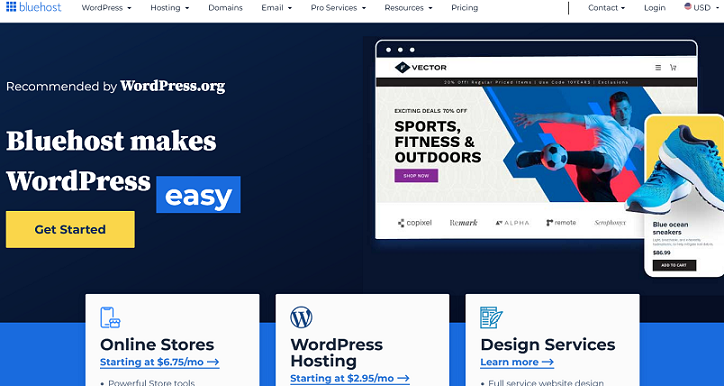
    2. Bluehost

    Overview

    Bluehost is a well-established hosting provider known for its affordability, reliability, and ease of use. With over two million websites hosted on their platform, and WordPress optimization, making it a popular choice for individuals and small businesses.

    Features

    Bluehost offers a range of features, including a user-friendly control panel, one-click WordPress installation, and unmetered bandwidth. They also provide a free domain name for the first year and free SSL certificates to ensure the security of your website.

    Pricing Information

    Bluehost offers four shared hosting plans: Basic, Choice Plus, Online Store and Pro. The Basic plan starts at $2.95 per month and provides hosting for one website. The Choice Plus plan, priced at $4.95 per month, allows for three websites and includes additional features such as daily website backups free first year, domain privacy free first year, and malware scanning.

    Online Store is ideal for eCommerce website priced at $6.75 per month. This plan is great for selling your products online. allows for three websites and includes additional features such as Daily website backups free first year, domain privacy free first year, and malware scanning. The Pro plan, priced at $9.95 per month, offers even more resources and domain privacy. Perfect for high traffic website, advanced storage, security, + backups

    Customer Support

    Bluehost offers 24/7 customer support through live chat, phone, and email. Their knowledgeable support team is always available to assist with any hosting-related issues or questions.

    Pros and Cons

    Pros:

    • User-friendly and optimized for WordPress
    • A wide range of hosting services and add-ons
    • Competitive pricing
    • Strong customer support
    • Free domain included

    Cons:

    • Additional costs for some features
    • Limited resources on basic plans
    • No monthly plan
    visit official website red 9

    3. HostGator

    Overview

    HostGator is a trusted web hosting provider with over two million customers worldwide. Known for its affordability and reliable hosting services, HostGator offers a range of hosting options to suit various needs.

    Features

    HostGator provides a wide range of features, including unlimited disk space and unmetered bandwidth, free website migration, one-click application installation, and a website builder, and a user-friendly control panel. They also offer a 30-day money-back guarantee, ensuring customer satisfaction.

    Pricing Information

    HostGator offers three shared hosting plans: Hatchling, Baby, and Business. The Hatchling plan starts at $3.75 per month and includes hosting for one website. The Baby plan, priced at $4.50 per month, allows for two websites, while the Business plan, priced at $6.25 per month, allows for three websites. offers additional features such as a free dedicated IP and SSL certificate.

    Customer Support

    HostGator offers 24/7 customer support through live chat, phone, and email. Their support team is highly responsive and knowledgeable, ensuring prompt resolution of any hosting-related queries or issues.

    Pros and Cons

    Pros:

    • User-friendly hosting solutions
    • A wide range of hosting services and add-ons
    • Competitive pricing and frequent promotions
    • Strong uptime and performance
    • Free domain included
    • Strong customer support

    Cons:

    • Additional costs for some essential features
    • Some users report variable load times
    visit official website red 9

    4. A2 Hosting

    Overview

    A2 Hosting is a high-performance hosting provider known for its speed, reliability, and developer-friendly environment. Offering a range of hosting options, A2 Hosting is an excellent choice for individuals and businesses looking for fast and efficient hosting solutions.

    Features

    A2 Hosting offers an impressive array of features, including solid-state drives (SSDs) for enhanced speed, free SSL certificates, and unlimited storage and bandwidth. They stand out for their Turbo Servers, optimized for speed, and support for multiple content management systems, making it an attractive option for those seeking fast hosting.

    Pricing Information

    A2 Hosting offers four shared hosting plans: Startup, Drive, Turbo Boost and Turbo Max. The Startup plan priced at $1.99 per month and provides hosting for one website. The Drive plan, priced at $3.99 per month, allows for unlimited websites and includes additional features such as unlimited databases. The Turbo Boost, priced at $5.99 per month, offers even faster performance with their Turbo Max priced at $11.99 per month.

    Customer Support

    A2 Hosting offers 24/7 customer support through live chat, phone, and email. Their knowledgeable support team is available to assist customers with any hosting-related questions or issues they may have.

    Pros and Cons

    Pros:

    • Emphasis on speed and performance
    • Competitive pricing and money-back guarantee
    • Multiple hosting options
    • Monthly plan included
    • Responsive and knowledgeable customer support

    Cons:

    • Some plans may have limitations on resource usage
    • No free domain registration
    visit official website red 9

    5. DreamHost

    Overview

    DreamHost is a trusted web hosting provider known for its commitment to privacy, security, and open-source technologies. With over two decades of experience, DreamHost offers a range of hosting services tailored to meet the needs of individuals and businesses alike.

    Features

    DreamHost offers a wide range of features, including unlimited disk space and bandwidth, free domain privacy, and a user-friendly control panel. They also provide 100% uptime guarantee and advanced security features to protect your website.

    Pricing Information

    DreamHost offers a two shared hosting plan: Shared Starter and Shared Unlimited for both priced at $2.95 per month, making it an affordable choice for individuals and small businesses. Shared Starter plan is a single host plan while Shared Unlimited for unlimited hosting of websites, unlimited email accounts, and both plan includes hosting unlimited traffic, and a free domain for the first year.

    Customer Support

    DreamHost offers 24/7 customer support through live chat and email. Their support team is highly responsive and knowledgeable, ensuring prompt resolution of any hosting-related queries or issues.

    Pros and Cons

    Pros:

    • Strong commitment to open-source software
    • Competitive and transparent pricing
    • Generous 97-day money-back guarantee
    • Strong uptime and performance
    • Free domain included
    • Monthly plan included

    Cons:

    • Extra cost for email account in shared plan
    • Additional costs for some essential features
    visit official website red 9

    6. InMotion Hosting

    Overview

    InMotion Hosting is a popular web hosting provider known for its reliable performance, excellent customer support, and environmentally-friendly practices. With a focus on business hosting, InMotion Hosting offers a range of solutions tailored to meet the needs of small businesses and enterprises.

    Features

    InMotion Hosting provides an impressive array of features, including SSD storage for enhanced speed, free SSL certificates, and unlimited storage and bandwidth. They also offer a user-friendly control panel and a 90-day money-back guarantee, ensuring customer satisfaction.

    Pricing Information

    InMotion Hosting offers four shared hosting plans: Core, Launch, Power, and Pro. The Core plan starts at $3.49 per month and includes hosting for two websites. The Launch plan starts at $6.99 per month and includes free domain hosting for twenty-five websites. The Power plan, priced at $6.99 per month, allows for hosting of unlimited websites, while the Pro plan priced at $14.99 per month, offers additional features such as a free dedicated IP and faster performance.

    Customer Support

    InMotion Hosting offers 24/7 customer support through live chat, phone, and email. Their support team is highly responsive and well-trained, providing expert assistance with any hosting-related queries or issues.

    Pros and Cons

    • User-friendly interface
    • A wide range of hosting services and add-ons
    • Competitive pricing and frequent promotions
    • Strong uptime and performance

    Cons:

    • Mixed customer support experiences
    • Additional costs for some essential features
    • No monthly plan
    visit official website red 9

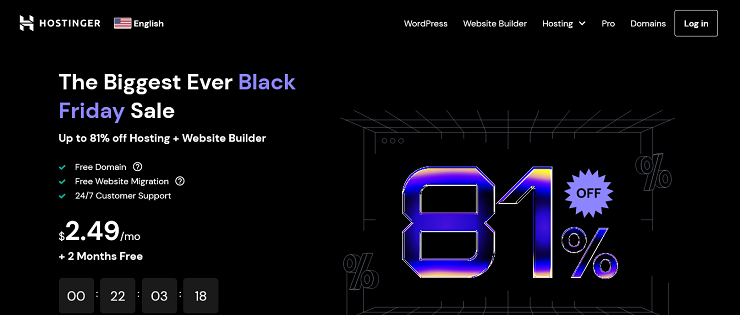
    7. Hostinger

    Overview

    Hostinger is a popular web hosting provider known for its affordability and feature-rich hosting solutions. With over 29 million users worldwide, Hostinger offers a range of hosting services to cater to the needs of individuals and businesses of all sizes.

    Features

    Hostinger provides a wide range of features, including SSD storage for enhanced speed, free SSL certificates, and a user-friendly control panel. They also offer a 30-day money-back guarantee, ensuring customer satisfaction.

    Pricing Information

    Hostinger offers three shared hosting plans: Single, Premium, Business, and Cloud Startup. The Single plan starts at $1.99 per month and provides hosting for one website. The Premium plan, priced at $2.49 per month, allows for 100 websites and includes additional features such as a free domain name. The Business plan priced at $3.49 per month offers even more resources and priority support. While the Cloud Startup priced at $8.99 per month.

    Customer Support

    Hostinger offers 24/7 customer support through live chat and email. Their support team is highly responsive and dedicated to resolving any hosting-related queries or issues their customers may have.

    Pros and Cons

    Pros:

    • User-friendly interface
    • A wide range of hosting services and add-ons
    • Competitive pricing and frequent promotions
    • Strong uptime and performance
    • +2 months free for yearly plan

    Cons:

    • Mixed customer support experiences
    • Additional costs for some essential features
    • No free domain for Single plan and whois privacy
    visit official website red 9

    8. GreenGeeks

    Overview

    GreenGeeks is a leading eco-friendly web hosting provider known for its commitment to renewable energy and sustainable business practices. With a focus on green hosting solutions, GreenGeeks offers fast and reliable hosting services to individuals and businesses worldwide.

    Features

    GreenGeeks offers a comprehensive set of features, including unlimited disk space and bandwidth, free SSL certificates, and a user-friendly control panel. They also provide a 99.9% uptime guarantee and advanced security features to protect your website.

    Pricing Information

    GreenGeeks offers three shared hosting plans: Lite, Pro, and Premium. The Lite plan starts at $2.95 per month and includes hosting for one website. The Pro plan priced at $4.95 per month, allows for unlimited websites. The Premium plan priced at $8.95 per month offers even more resources, including a free dedicated IP and faster performance. All plans includes additional features such as a free domain name

    Customer Support

    GreenGeeks offers 24/7 customer support through live chat, phone, and email. Their support team is highly knowledgeable and dedicated to providing prompt assistance with any hosting-related queries or issues.

    Pros and Cons

    Pros:

    • User-friendly interface
    • Excellent customer support
    • Competitive pricing and frequent promotions
    • Strong uptime and reliable performance

    Cons:

    • Mixed customer support experiences
    • Additional costs for some essential features
    • Some limitations in advanced customization
    • No Monthly plan
    visit official website red 9

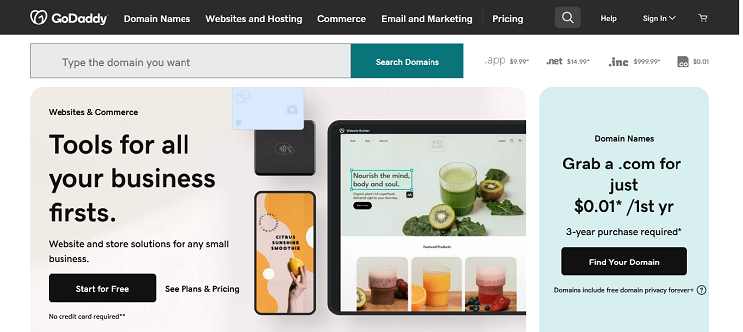
    9. Godaddy

    Overview

    GoDaddy is a renowned web hosting provider that offers a range of hosting solutions to cater to the needs of individuals and businesses. With a reputation for user-friendly interfaces and a vast customer base, it’s a popular choice for those seeking reliable web hosting services.

    Features

    GoDaddy offers a wide array of features, including domain registration, website builders, SSL certificates, and a one-click application installer. Their plans provide generous storage, bandwidth, and email accounts, making it suitable for both beginners and experienced users.

    Pricing Information

    GoDaddy’s pricing varies, with competitive introductory rates and renewal prices. They offers four shared hosting plans: Web Hosting Economy, Web Hosting Deluxe, and Web Hosting Ultimate and Web Hosting Maximum. The Web Hosting Economy starts at $5.99 per month allow for hosting of one websites. The Web Hosting Deluxe, priced at $7.99 per month, allows for hosting of 10 websites. The Web Hosting Deluxe, priced at $7.99 per month, allows for hosting of 10 websites. The Web Hosting Ultimate, priced at $12.99 per month, allows for hosting of 25 websites. The Web Hosting Maximum, priced at $17.99 per month, allows for hosting of 25 websites and includes additional features such as a free domain name.

    Customer Support

    Customer support is available 24/7 via phone, live chat, and email. While some users praise their support, others report mixed experiences. GoDaddy’s knowledge base and community forums can also assist users with common issues..

    Pros and Cons

    Pros:

    • User-friendly interface
    • A wide range of hosting services and add-ons
    • Competitive pricing and frequent promotions
    • Strong uptime and performance
    • Monthly plan included

    Cons:

    • Mixed customer support experiences
    • Additional costs for some essential features
    • Some limitations in advanced customization
    visit official website red 9

    10. HostPapa

    Overview

    HostPapa is a reliable web hosting provider known for its exceptional customer support and eco-friendly hosting solutions. With a focus on small businesses, HostPapa offers a range of hosting services tailored to meet the needs of entrepreneurs and growing enterprises.

    Features

    HostPapa offers a range of features, including unlimited disk space and bandwidth, free SSL certificates, and a user-friendly control panel. They also provide a 99.9% uptime guarantee and advanced security features to protect your website.

    Pricing Information

    HostPapa offers four shared hosting plans: Start, Plus, Pro and Ultra. The Start plan starts at $2.95 per month and includes hosting for one websites. The Plus plan, priced at $5.95 per month, allows for hosting of 10 websites. The Pro plan, priced at $5.95 per month, allows for hosting of unlimited websites an. The Ultra plan priced at $12.95 per month offers even more resources and priority support.

    Customer Support

    HostPapa offers 24/7 customer support through live chat, phone, and email. Their support team is highly knowledgeable and dedicated to providing top-notch assistance with any hosting-related queries or issues.

    Pros and Cons

    Pros:

    • User-friendly interface
    • Eco-friendly practices,
    • A wide range of hosting services and add-ons
    • Competitive pricing and frequent promotions
    • Strong uptime and performance

    Cons:

    • Mixed customer support experiences
    • Additional costs for some essential features
    • No Monthly plan.
    • Domain privacy only applies to Pro and Ultra plan
    visit official website red 9

    Frequently Asked Questions (FAQs)

    What is shared hosting?

    Shared hosting is a type of web hosting where multiple websites are hosted on a single server. The resources, such as disk space, bandwidth, and processing power, are shared between the websites.

    Is shared hosting suitable for my website?

    Shared hosting is suitable for small to medium-sized websites with moderate traffic. If your website has high traffic or requires extensive resources, you might need a more advanced hosting solution like a VPS or dedicated server.

    How do I choose the right shared hosting provider?

    When choosing a shared hosting provider, consider factors such as performance, pricing, support, features, and customer reviews. Assess your website’s requirements and select a provider that meets your specific needs.

    Can I upgrade from shared hosting in the future?

    Yes, most hosting providers offer easy scalability options. If your website outgrows shared hosting, you can upgrade to a VPS or dedicated server plan for more resources and better performance.

    Are there any limitations on shared hosting?

    Shared hosting comes with certain limitations, such as limited resources, restrictions on server settings, and potential performance issues due to other users on the same server. However, for many websites, shared hosting provides a cost-effective solution with sufficient resources.

    What happens if a website on the same server receives high traffic?

    If a website on the same shared server receives high traffic, it can potentially impact the performance of other websites on the server. However, reputable hosting providers employ measures to mitigate this impact and ensure fair resource distribution.

    How often should I backup my data?

    Regular backups are essential to protect your data from loss or damage. It’s recommended to perform backups at least weekly or daily, depending on the frequency of updates and changes to your website.

    Can I host multiple domains on a shared hosting plan?

    Yes, most shared hosting providers allow you to host multiple domains on a single hosting account. Make sure to check the maximum number of permitted domains before purchasing a plan.

    Do shared hosting providers offer website migration services?

    Many shared hosting providers offer website migration services to help you transfer your existing website to their servers. Check if the provider offers free or paid migration services and any limitations or requirements associated with the process.

    What support options are available if I encounter technical issues?

    Shared hosting providers typically offer multiple customer support channels, such as live chat, phone support, and email tickets. Make sure the provider offers 24/7 support and has a reputation for responsive and knowledgeable support staff.

    Final Thoughts,

    When choosing a shared hosting provider for your website, it is essential to consider factors such as performance, features, customer support, and pricing. Each of the top 10 shared hosting providers for 2023 mentioned in this article offers unique benefits and caters to different needs.

    Whether you prioritize affordability, reliability, or eco-friendliness, there is a hosting provider on this list that can meet your requirements. Take the time to evaluate your needs and compare the offerings of these providers to make an informed decision that will set the foundation for your online success.

    10 Valuable Tips for Choosing the Best Domain Name for Your Brand Online

    0
    10 Valuable Tips for Choosing the Best Domain Name for Your Brand Online

    In the competitive world of online business, choosing the best domain name is a critical step towards establishing a strong online presence. Whether you are a seasoned entrepreneur or just starting out, the process of picking the perfect domain name can be both exciting and overwhelming.

    With numerous available options, it is essential to understand the key factors that contribute to a successful domain name. This article provides valuable tips and insights to help you make an informed decision and select a domain name that not only captures your brand identity but also resonates with your target audience.

    Example 1

    Imagine you are starting an online bakery, and you want your domain name to reflect your brand. You need to choose a domain name that captures the essence of your bakery business.

    1. Consider Your Brand

    When choosing a domain name, it’s crucial to consider your brand identity. Your domain name should reflect the essence of your brand and what it represents. Think about the image you want to convey and the message you want to send to your audience. By aligning your domain name with your brand, you can create a cohesive and impactful online presence.

    Another important factor to consider is how memorable your domain name is. You want potential customers to easily recall and recognize your website address. Avoid complex or convoluted names that could easily be forgotten. Instead, opt for a domain name that is short, catchy, and memorable.

    Example 2

    If your bakery is known for its gluten-free products, your domain name might be something like “GlutenFreeDelights.com,” aligning with your brand identity.

    Furthermore, it’s essential to highlight your industry within your domain name. This can help potential customers identify what your business is about right away. Incorporating keywords related to your industry can also improve your website’s search engine optimization (SEO) and make it more discoverable online.

    2. Keep it Short and Simple

    When it comes to domain names, simplicity is key. Avoid long and complicated names that can be challenging to remember and type accurately. Long domain names are not only harder for users to remember but can also be prone to typographical errors. By choosing a concise and straightforward domain name, you make it easier for your audience to find and navigate to your website.

    Example 3

    Instead of a long and complicated domain like “TheBestGlutenFreeBakeryInTheWorld.com,” opt for a short and simple domain like “GFBakery.com” for easier recall and navigation.

    Additionally, consider the spelling and pronunciation of your domain name. While unique or creative spellings might seem appealing, they can cause confusion and make it harder for people to find your website. Opt for a name that is easy to spell and pronounce to ensure that users can easily find your website online.

    3. Include Keywords

    Keywords play a significant role in online visibility and website optimization. Before choosing a domain name, conduct thorough research to identify relevant keywords related to your industry or niche. You can use Ahrefs or Semrush for keyword research. Incorporating these keywords into your domain name can potentially boost your website’s search engine rankings.

    Example 4

    If your bakery specializes in cupcakes, you might consider incorporating the keyword “cupcakes” into your domain, like “DeliciousCupcakes.com,” to improve your SEO.

    However, it’s important not to overstuff your domain name with keywords. This can make it look spammy and negatively impact your search engine rankings. Instead, find a balance by incorporating one or two targeted keywords that accurately represent your business.

    4. Avoid Numbers and Hyphens

    While it might be tempting to use numbers or hyphens in your domain name, it’s generally best to avoid them. Numbers can lead to confusion, as users may be uncertain whether to type the numeral or spell it out. Additionally, numbers can also create difficulties when verbally sharing your domain name.

    Example 5

    Choosing “DeliciousCupcakes.com” is preferable to “Delicious-Cupcakes123.com” because the latter can be confusing and harder to remember.

    Hyphens, on the other hand, are often forgotten or mistyped by users. They can also be difficult to verbally communicate, as people may forget to mention the hyphens when sharing your domain name. Opting for a domain name that consists solely of words makes it easier for users to type, remember, and share your website.

    5. Consider Domain Extensions

    Domain extensions, such as .com, .org, or .net, play a vital role in shaping your online presence. When choosing a domain extension, it’s generally recommended to opt for a popular and widely recognized one, such as .com. This extension is the most commonly used and is generally associated with commercial websites.

    Example 6

    As a bakery, you’d ideally want a “.com” extension for your domain, such as “DeliciousCupcakes.com.” However, if it’s not available, consider using a relevant extension like “.bakery. or if you are a non-profit organization, a .org extension might be more appropriate.

    However, if a .com domain name is not available or does not align with your brand, you may consider extensions related to your specific industry. Additionally, consider protecting your brand by registering multiple domain extensions to prevent competitors from using similar names.

    6. Conduct Trademark Research

    Before choosing the best domain name for your brand, it’s crucial to conduct thorough trademark research. Check for existing trademarks to ensure that your chosen domain name does not infringe upon another company’s intellectual property. This can help you avoid potential legal issues in the future and safeguard your brand’s reputation.

    Example 7

    Before finalizing “DeliciousCupcakes.com,” you should conduct trademark research to ensure it’s not already trademarked in the food industry, preventing potential legal issues.

    Moreover, it’s important to ensure that your chosen domain name is available. Even if a domain name is not trademarked, it may still be in use by another business or individual. Conducting a comprehensive search will help you ascertain if your desired domain name is available for registration.

    7. Check Social Media Availability

    In today’s digital world, it’s crucial to have a consistent brand presence across various online platforms, including social media. Before finalizing your domain name, search for available usernames on social media platforms that align with your brand. Having consistent usernames across platforms helps build brand recognition and makes it easier for users to find and engage with your business.

    Example 8

    Ensure that the username associated with your bakery’s domain, like @DeliciousCupcakes, is available on social media platforms for consistent branding.

    If your desired domain name or username is not available on certain social media platforms, it may be worth considering alternative names. Consistency in branding across all platforms is essential for maintaining a professional and cohesive online presence.

    8. Think Long-Term

    When choosing a domain name, it’s important to think beyond the present and consider the long-term implications. Avoid trends or fads that may fade away quickly, leaving your domain name outdated and irrelevant. Instead, opt for a name that will stand the test of time and remain relevant as your business grows.

    Example 9

    Think about whether “DeliciousCupcakes.com” will still make sense and be relevant if your bakery expands into other baked goods or services in the future.

    Additionally, consider your future business growth and potential expansions. Will your chosen domain name accommodate additional products or services that you may offer in the future? Planning ahead can save you the hassle of having to change your domain name down the line, which can disrupt your brand continuity and SEO efforts.

    9. Ask for Feedback

    Seeking feedback from peers and your target audience is an important step in the domain name selection process. Share your potential domain names with them and ask for their opinions. Consider their feedback in terms of brand perception and whether the names accurately represent your business and industry.

    Example 10

    Share potential domain names, like “DeliciousCupcakes.com,” with friends and potential customers to gather feedback on how well it represents your bakery’s brand.

    Constructive criticism is valuable in refining and improving your ideas. Take into account the feedback you receive and make adjustments as necessary. Remember, your domain name is a critical component of your brand identity, so it’s important to ensure that it resonates with your target audience.

    10. Register Your Domain

    Once you have chosen the best domain name, it’s time to register it. Choose a reliable domain registrar that offers competitive pricing and a user-friendly interface. Compare the features and services provided by different registrars to ensure you receive the best value for your money.

    Example 11

    Once you’ve decided on “DeliciousCupcakes.com,” choose a reliable domain registrar to purchase and secure your domain, ensuring it’s available for your use.

    Additionally, consider bundled services and support offered by the registrar. Some registrars may provide additional services such as domain privacy, email hosting, or website building tools. Evaluating these additional offerings can help you select a registrar that meets all your needs in one place.

    Frequent Asked Questions (FAQs)

    What is the significance of selecting the right domain name for my online business?

    Selecting the right domain name is crucial for your online business as it serves as your digital identity. A well-chosen domain name can help establish a strong online presence, enhance brand recognition, and make it easier for your target audience to find and remember your website. It’s a critical step in building credibility and trust with your online visitors.

    How can I ensure my domain name aligns with my brand identity?

    To align your domain name with your brand identity, consider the message you want to convey and the image you want to project. Your domain name should reflect the essence of your brand. Think about what your business represents and choose a name that resonates with your target audience, creating a cohesive and impactful online presence.

    Why should I avoid using numbers and hyphens in my domain name?

    Numbers and hyphens can make your domain name harder to remember, type, and share. They often lead to confusion and potential errors, both in typing and when communicating your domain name verbally. Choosing a domain name consisting solely of words makes it easier for users to interact with your website.

    How do domain extensions impact my online presence, and which one should I choose?

    Domain extensions, such as .com, .org, or .net, play a significant role in shaping your online presence. The choice of extension can impact the perception of your website. Generally, opting for a popular and widely recognized extension like .com is advisable. However, you can also consider industry-specific extensions that align with your business, such as .bakery for a bakery website. The choice depends on your branding and business goals.

    What steps should I take to protect my chosen domain name from trademark issues?

    To protect your chosen domain name from trademark issues, conduct thorough trademark research before finalizing it. Check for existing trademarks to ensure your domain name doesn’t infringe upon another company’s intellectual property. This helps you avoid potential legal problems and safeguards your brand’s reputation. Additionally, consider consulting with a legal professional to ensure comprehensive trademark protection.

    Key Takeaways: Choosing the Best Domain Name

    1. Consider Your Brand Identity: Ensure your domain name reflects your brand’s essence and the message you want to convey to your audience.
    2. Keep It Short and Simple: Choose a concise and straightforward domain name to make it easier for users to remember and type accurately.
    3. Incorporate Relevant Keywords: Incorporate industry-related keywords into your domain name for improved SEO and instant recognition.
    4. Avoid Numbers and Hyphens: Steer clear of using numbers and hyphens in your domain name to prevent confusion and errors.
    5. Choose the Right Domain Extension: Select a domain extension that aligns with your brand; .com is a popular choice, but consider industry-specific options when necessary.
    6. Conduct Thorough Trademark Research: Ensure your chosen domain name doesn’t infringe upon existing trademarks to avoid legal complications.
    7. Check Social Media Availability: Verify the availability of consistent social media usernames to maintain a unified brand presence across platforms.
    8. Think Long-Term: Choose a domain name that will remain relevant as your business grows and expands its offerings.
    9. Seek Feedback: Gather opinions from peers and target audience members to refine and improve your domain name ideas.
    10. Register Your Domain Wisely: Choose a reputable domain registrar and consider additional services, such as domain privacy or email hosting, to meet your business needs.

    Final Thoughts:

    Picking the best domain name requires careful consideration and planning. By reflecting your brand identity, keeping it short and simple, incorporating keywords wisely, avoiding numbers and hyphens, considering domain extensions, conducting trademark research, checking social media availability, thinking long-term, asking for feedback, and registering with a reliable domain registrar, you can ensure that your domain name aligns with your brand and sets the foundation for a successful online presence.

    The Importance of Intimacy in a Marriage: How it Fosters a Deep, Lasting bond

    0
    intimacy in a marriage

    In this article, we will discover the significance of intimacy in a marriage and how it fosters a deep, lasting bond. From emotional connection to physical affection, explore the rewards of prioritizing intimacy.

    A successful and fulfilling marriage, intimacy plays a vital role. It goes beyond physical closeness and delves into the realms of emotional connection and vulnerability. Intimacy allows couples to truly understand and support each other, fostering a deep bond that withstands the test of time.

    Whether it is through heartfelt conversations, shared experiences, or simply holding hands, the presence of intimacy creates a safe and nurturing space for love and growth.

    Let’s dive in to find out how intimacy in a marriage can spicy things in your marriage.

    The Importance of Intimacy in a Marriage

    Intimacy Creates a Strong Connection

    Intimacy is a vital component of any successful marriage. It goes beyond physical attraction and encompasses emotional, mental, and spiritual connection. When you cultivate intimacy with your partner, you deepen your bond and create a strong connection that can withstand the tests of time. It is through intimacy that you can truly understand and support each other, leading to a fulfilling and satisfying marriage.

    Building Trust Through Intimacy

    Intimacy is built on a foundation of trust. When you open yourself up to your partner and share your deepest thoughts, fears, and desires, you are creating a safe space for vulnerability and honesty. This level of trust is crucial in maintaining a healthy and happy marriage.

    Trust allows you to rely on each other, to lean on each other during difficult times, and to celebrate each other’s successes. By prioritizing intimacy, you are reinforcing the trust between you and your partner, creating a solid foundation for your relationship.

    Emotional Intimacy: Connecting on a Deep Level

    One aspect of intimacy that often gets overlooked is emotional intimacy. It involves sharing your feelings, thoughts, and experiences with your partner in a genuine and open manner. Emotional intimacy allows you to truly understand each other’s needs, desires, and fears.

    It fosters empathy and compassion, which are essential for a strong and loving marriage. When you invest time and effort in developing emotional intimacy, you create a space where both you and your partner can feel heard, validated, and supported.

    Physical Intimacy: Bringing Passion and Intimacy Together

    Physical intimacy is often the first thing that comes to mind when thinking about intimacy in a marriage. While it does involve sexual intimacy, it is not limited to it. Physical intimacy includes acts of affection, such as cuddling, holding hands, and kissing, which are important in nurturing the bond between partners.

    Taking the time to engage in physical intimacy not only fosters a deeper emotional connection, but it also promotes physical well-being and increases overall satisfaction within the marriage.

    Creating a Safe Space for Intimacy

    To cultivate a strong sense of intimacy in your marriage, it is important to create a safe space where both you and your partner can be authentic and vulnerable. This requires open communication, active listening, and non-judgmental attitudes. When you create a safe space for intimacy, you allow yourselves to be fully present with each other and to express your true selves without fear of rejection or criticism.

    Sharing Dreams and Goals

    Intimacy is not just about the present; it also involves sharing dreams and goals for the future. By discussing your aspirations and working together to achieve them, you are strengthening your connection and building a shared vision for your marriage. When you both actively participate in shaping your future, you create a sense of unity and purpose that can bring you closer together.

    Maintaining Intimacy Throughout the Years

    The level of intimacy in a marriage can evolve and change over time, but it is important to continually nurture and prioritize it. As life brings its various challenges and responsibilities, it is easy to let intimacy take a backseat.

    However, by making a conscious effort to invest in your relationship and prioritize quality time together, you can maintain and even deepen the level of intimacy in your marriage.

    Seeking Professional Help

    If you find that intimacy has become a challenge in your marriage, seeking professional help can be incredibly beneficial. Marriage counselors and therapists are trained to guide couples through difficulties and help them reconnect on a deeper level. They can provide valuable insights, strategies, and tools to enhance intimacy and strengthen your relationship.

    The Rewards of Intimacy

    When you prioritize intimacy in your marriage, the rewards are limitless. You will experience a deeper level of emotional connection, a stronger bond built on trust and understanding, and a more satisfying and fulfilling relationship overall. Intimacy is an investment that pays off in countless ways, bringing joy, companionship, and a sense of security to both you and your partner.

    Conclusion

    Intimacy is the lifeblood of a successful marriage. It is the glue that holds couples together through thick and thin. By cultivating emotional, mental, physical, and spiritual intimacy, you can create a strong and resilient bond with your partner.

    Remember that intimacy requires effort, open communication, and a safe space for vulnerability. Invest in your relationship, prioritize intimacy, and reap the rewards of a loving and fulfilling marriage.

    Don’t forget to comment below and share this blog post with your friends and relatives! Let’s spread the love together.

    If you enjoy this article, please subscribe to our YouTube Channel. You can also follow us on Facebook and Tiktok.

    The Art of Effective Conflict Resolution in Marriage

    0
    The Art of Effective Conflict Resolution

    In “The Art of Effective Conflict Resolution,” discover the valuable skills and strategies that can help you navigate through challenging situations with grace and compassion.

    This insightful article explores various techniques that empower you to address conflicts head-on, fostering understanding, and opening the doors to harmonious resolutions. By honing your communication skills and learning to embrace empathy, you will gain the tools needed to transform conflicts into opportunities for growth and connection.

    The Art of Effective Conflict Resolution

    Conflict is a natural part of human interaction, and having the skills to effectively resolve conflicts is essential for maintaining healthy relationships and achieving personal and professional success.

    In this article, we will explore the different aspects of conflict resolution and provide practical tips and techniques to enhance your conflict resolution skills. By understanding conflict, communicating effectively, practicing active listening, utilizing nonverbal communication, employing assertive communication techniques, cultivating empathy, managing emotions, and mastering negotiation strategies, you will be equipped to handle conflicts with grace and effectiveness.

    Understanding Conflict

    Conflict is a dynamic process that occurs when two or more parties have differing viewpoints, goals, or interests. It is important to note that conflict is not inherently negative.

    In fact, conflicts can serve as catalysts for growth, innovation, and change. When managed effectively, conflict can lead to stronger relationships, improved problem-solving skills, and increased teamwork and collaboration.

    Types of Conflict

    Conflict can manifest in various forms, including interpersonal conflicts, intrapersonal conflicts, and structural conflicts. Interpersonal conflicts occur between individuals and often involve differences in opinions, values, or personality clashes. Intrapersonal conflicts, on the other hand, occur within an individual and involve conflicting desires, motivations, or beliefs. Structural conflicts arise due to systemic issues, such as power imbalances or resource allocation problems.

    Causes of Conflict

    Conflicts can have a multitude of causes. Common causes of conflict include miscommunication, differing expectations, competition, limited resources, power struggles, and unresolved past conflicts. By understanding the root causes of conflicts, you can address them more effectively and prevent future conflicts from arising.

    The Benefits of Effective Conflict Resolution

    Effective conflict resolution offers numerous benefits that positively impact individuals and organizations. Firstly, it improves relationships by fostering open and honest communication, trust, and respect. When conflicts are resolved constructively, individuals can gain a deeper understanding of each other’s perspectives and work towards common goals.

    Secondly, conflict resolution enhances problem-solving skills. By engaging in collaborative dialogue and considering diverse viewpoints, individuals can generate innovative solutions that address underlying issues.

    Lastly, effective conflict resolution promotes increased teamwork and collaboration. When conflicts are managed effectively, individuals are more likely to work together harmoniously, resulting in higher productivity and success.

    The Role of Communication in Conflict Resolution

    Communication plays a pivotal role in conflict resolution. It serves as the foundation for understanding, empathy, and collaboration. Effective communication involves both verbal and nonverbal elements, and mastering these elements can greatly enhance conflict resolution.

    The Link Between Communication and Conflict

    Communication and conflict are interwoven, as conflicts often arise from breakdowns in communication. Poor communication can lead to misunderstandings, misinterpretations, and increased tensions.

    On the other hand, effective communication can de-escalate conflicts by promoting clarity, empathy, and mutual understanding.

    The Influence of Effective Communication on Conflict Resolution

    When individuals communicate effectively during conflict resolution, they create an atmosphere that encourages productive dialogue and empathy. Active listening, respect, and assertive communication techniques play vital roles in facilitating conflict resolution.

    By understanding and utilizing these communication skills, individuals can prevent conflicts from escalating, find common ground, and collaboratively resolve issues.

    Active Listening Skills

    Active listening is a fundamental skill in conflict resolution. It involves fully focusing on and understanding the speaker’s verbal and nonverbal cues. Active listening fosters empathy, promotes open-mindedness, and encourages productive dialogue.

    Importance of Active Listening

    Active listening demonstrates respect and validates the speaker’s feelings and experiences. It allows individuals to gain a comprehensive understanding of the underlying issues, concerns, and needs. By practicing active listening, you show that you value the other party’s perspective, which is essential for effective conflict resolution.

    Key Techniques for Active Listening

    To be an active listener, ensure that you provide your full attention to the speaker. Maintain eye contact, nod occasionally to show understanding, and avoid interrupting. Additionally, use verbal and nonverbal cues, such as summarizing what the speaker said and displaying empathy through body language and facial expressions. Taking notes can also help you remember key points and demonstrate your investment in the conversation.

    Effective Nonverbal Communication

    Nonverbal communication is a powerful aspect of conflict resolution. It includes body language, facial expressions, gestures, and tone of voice. By understanding nonverbal cues, you can enhance understanding, build rapport, and create a positive atmosphere during conflict resolution.

    Understanding Nonverbal Cues

    Nonverbal cues can convey emotions, attitudes, and intentions, often more accurately than words alone. Pay attention to body positioning, posture, gestures, and facial expressions to gauge the speaker’s emotions and feelings. Matching your nonverbal cues to the desired outcome of conflict resolution can help establish rapport and trust.

    Conflict Resolution through Nonverbal Communication

    During conflict resolution, utilizing nonverbal communication techniques can be beneficial. Maintain an open and relaxed posture, use a calm and steady tone of voice, and make appropriate eye contact. By conveying nonverbal cues of empathy and understanding, you create an environment conducive to resolving conflicts.

    Assertive Communication Techniques

    Assertive communication is crucial for expressing your needs, opinions, and boundaries while respecting the rights and perspectives of others. It promotes mutual understanding, finds common ground, and addresses conflicts effectively.

    What Is Assertive Communication?

    Assertive communication involves expressing oneself honestly, directly, and respectfully, without violating the rights of others. It requires confidence, self-awareness, and active listening skills. By being assertive, you can navigate conflicts assertively and avoid passive or aggressive communication styles that can exacerbate tensions.

    Benefits of Assertive Communication in Conflict Resolution

    Assertive communication empowers individuals to voice their needs, opinions, and concerns clearly and confidently. It helps establish boundaries, promotes understanding, and encourages compromise. By utilizing assertive communication techniques, conflicts can be resolved more effectively, leading to mutually satisfying outcomes.

    The Effectiveness of Assertive Communication Techniques

    To effectively use assertive communication in conflict resolution, it is essential to practice active listening, use “I” statements to express feelings and thoughts, avoid blaming or accusing language, and control emotions. Additionally, focusing on finding a mutually beneficial solution and being open to negotiation can facilitate productive conflict resolution.

    The Importance of Empathy

    Empathy is a critical component of conflict resolution. It involves understanding and sharing the feelings, perspectives, and experiences of others. By cultivating empathy, you can foster connection, build trust, and find common ground.

    Why Empathy Matters in Conflict Resolution

    Empathy allows individuals to see conflicts from different angles and appreciate the emotions and needs of others. It promotes open-mindedness and facilitates effective communication. By demonstrating empathy, you convey a genuine desire to understand and resolve conflicts, which can lead to more fruitful outcomes.

    Developing Empathy Skills

    Developing empathy begins with active listening and truly seeking to understand others’ perspectives. It requires setting aside preconceived notions and judgments, and acknowledging the validity of differing viewpoints. Reflecting on shared experiences, practicing perspective-taking, and exploring different cultural contexts can also help cultivate empathy.

    Managing Emotions in Conflict

    Conflicts can elicit strong emotions, which, if left unchecked, can hinder effective resolution. Managing emotions during conflicts allows individuals to think clearly, empathize, and work towards mutually satisfying outcomes.

    Understanding Emotions in Conflict

    Conflicts often trigger emotions such as anger, frustration, fear, and sadness. Recognizing and acknowledging these emotions is crucial for managing conflicts constructively. Emotional intelligence, which involves being aware of and regulating one’s emotions, is a valuable skill in conflict resolution.

    Techniques for Managing Emotions in Conflict

    To manage emotions effectively during conflicts, it is essential to practice self-awareness, self-regulation, and empathy. Take a pause before responding to allow emotions to subside. Focus on constructive ways to express emotions, such as using “I” statements, focusing on shared goals, and seeking compromises. Additionally, employing deep breathing and relaxation techniques can help maintain composure and clear thinking.

    Negotiation Strategies

    Negotiation is an integral part of conflict resolution, allowing parties to find mutually acceptable solutions. By employing effective negotiation strategies, individuals can create win-win outcomes, preserve relationships, and address underlying concerns.

    The Role of Negotiation in Conflict Resolution

    Negotiation involves a give-and-take process where parties seek to find common ground and reach mutually beneficial agreements. It allows conflicting parties to voice their needs, listen to the needs of others, and work towards a resolution that satisfies all parties involved.

    Effective Negotiation Techniques

    To negotiate effectively, it is important to prepare by understanding your desired outcomes, considering alternative solutions, and identifying areas of compromise. During negotiations, actively listen to the other party, ask open-ended questions to understand their perspectives, and remain open-minded. Collaboratively explore different options and be willing to make concessions to find a middle ground. By maintaining a positive and solution-oriented mindset, conflicts can be resolved through negotiation.

    Win-Win Approach to Negotiation

    A win-win approach to negotiation emphasizes collaboration and finding solutions that benefit all parties involved. It requires active listening, empathy, and creativity to explore options that address everyone’s interests. By seeking mutually beneficial outcomes, a win-win negotiation approach fosters cooperation, preserves relationships, and achieves optimal results.

    In conclusion,

    The art of effective conflict resolution in marriage can be cultivated through understanding conflict, practicing effective communication, active listening, nonverbal communication, assertive communication techniques, empathy, emotion management, and negotiation strategies.

    By employing these skills and approaches, conflicts can be resolved with respect, understanding, and mutually satisfying outcomes. Developing these conflict resolution skills will not only enhance your personal relationships but also contribute to a harmonious and productive work environment.

    Remember, conflict resolution is an ongoing process that requires practice and continuous improvement, but the rewards of mastering this art are immeasurable.

    Don’t forget to comment below and share this blog post with your friends and relatives! Let’s spread the love together.

    If you enjoy this article, please subscribe to our YouTube Channel. You can also follow us on Facebook and Tiktok.

    Building Trust in Relationships: 11 Key Ingredients

    0
    Building Trust in Relationships

    In the fast-paced and interconnected world we live in, building trust in relationships has become more important than ever. Whether it’s in our personal or professional lives, trust forms the foundation for meaningful connections and effective collaborations.

    It enables us to confidently rely on others and be confident in ourselves. This article explores the significance of trust in relationships and provides valuable insights on how to nurture and strengthen it.

    Discover the key ingredients for building trust and the positive impact it can have on both individuals and the collective. By investing in trust, you can establish healthier and more fulfilling relationships that stand the test of time.

    1. Building Trust in Relationships

    Building trust in relationships is essential for establishing strong and lasting bonds with others. Trust forms the foundation of healthy connections and is vital for creating a sense of security and emotional intimacy.

    Whether it’s a romantic partnership, friendship, or professional relationship, trust is a key ingredient that enables individuals to feel safe, understood, and supported. In this article, we will explore the importance of trust, the key elements that contribute to trustworthiness, and practical ways to build and maintain trust in relationships.

    2. Understanding the Importance of Trust in Relationship

    Trust is the glue that holds relationships together. It provides a sense of predictability and reliability, allowing individuals to depend on one another. When trust exists, people feel more comfortable being vulnerable, expressing their true thoughts and emotions, and taking risks.

    Trust builds a solid foundation of security, enabling individuals to feel confident in not only themselves but also in their partnerships. Without trust, relationships can crumble, leading to misunderstandings, conflict, and a lack of emotional connection.

    3. Recognizing the Key Elements of Trust

    Trust comprises several key elements that contribute to its development and maintenance. These elements include honesty, integrity, reliability, fairness, and respect. Honesty is the cornerstone of trust, as it involves being truthful and transparent in all interactions.

    Integrity is closely linked to honesty and refers to consistently acting in alignment with one’s values and principles. Reliability involves being dependable and following through on commitments, while fairness entails treating others with equity and justice. Respect is crucial in building trust, as it involves valuing and accepting others for who they are, without judgment or criticism.

    4. Creating a Safe and Supportive Environment

    In order to foster trust, it is important to create a safe and supportive environment for all parties involved. This can be achieved by establishing clear boundaries and expectations, and ensuring that everyone’s needs and feelings are acknowledged and validated.

    A safe environment also promotes open and honest communication, where individuals feel comfortable expressing their thoughts, concerns, and aspirations without fear of judgment or reprisal. By actively listening, showing empathy, and validating each other’s experiences, a safe and supportive environment can be cultivated, strengthening the foundation of trust in the relationship.

    5. Communication and Transparency

    Effective communication is vital in building and maintaining trust in relationships. Open and honest communication promotes understanding, clarity, and connection between individuals. It involves expressing thoughts, feelings, and needs in a respectful and considerate manner, while actively listening to and acknowledging the perspectives of others.

    Transparency is another critical aspect of communication, as it involves sharing information openly and honestly, without withholding or manipulating facts. By fostering clear and transparent communication, trust can flourish, deepening the bond between individuals.

    6. Demonstrating Reliability and Consistency

    Reliability and consistency are key behaviors that contribute to building trust. Being reliable means following through on commitments, being punctual, and being accountable for one’s actions. When individuals consistently demonstrate reliability, it reassures others that they can trust in their words and actions.

    Consistency, on the other hand, involves behaving in a predictable and stable manner, avoiding erratic mood swings or unpredictable behavior. By consistently demonstrating reliability and consistency, trust can be nurtured and strengthened over time.

    7. Showing Empathy and Understanding

    Empathy and understanding play a crucial role in building trust within relationships. Empathy involves putting yourself in someone else’s shoes, understanding their emotions, and responding with sensitivity and compassion. It requires actively listening and validating the experiences and feelings of others.

    Understanding goes hand in hand with empathy, as it involves comprehending the perspectives, beliefs, and values of others without judgment or prejudice. By showing empathy and understanding, individuals can build trust by conveying genuine care and concern for one another.

    8. Building Trust Through Active Listening

    Active listening is an essential skill in building trust and fostering effective communication. It involves giving undivided attention to the speaker, fully focusing on their words, nonverbal cues, and emotions.

    Active listening also entails reflecting back what the speaker has shared, clarifying any misunderstandings, and asking open-ended questions to encourage further dialogue. By actively listening, individuals feel valued and heard, fostering a sense of trust, connection, and mutual understanding.

    9. Resolving Conflicts and Repairing Trust

    Conflicts are inevitable in any relationship, but how they are resolved can significantly impact the level of trust within the partnership. It is important to approach conflicts with empathy, respect, and a willingness to find mutually acceptable solutions.

    Effective conflict resolution involves active listening, expressing emotions and concerns respectfully, and seeking compromise. It is also important to take responsibility for one’s actions, apologize when necessary, and work towards rebuilding trust. By addressing conflicts directly and honestly, trust can be repaired and even deepened.

    10. Building Trust Over Time

    Building trust takes time and effort. It requires consistent behaviors that reflect honesty, reliability, and respect. Trust is not built overnight but rather through a series of positive interactions and experiences over time. It is important to be patient and understanding, allowing trust to naturally develop and grow.

    Regularly engaging in activities that strengthen the bond, such as spending quality time together, sharing experiences, and supporting one another, can accelerate the process of building trust and solidifying the relationship.

    11. Maintaining Trust in a Relationship

    Once trust is established, it is crucial to maintain and nurture it in order to sustain a healthy and rewarding relationship. This involves ongoing communication, continuous open and honest dialogue, and regularly expressing appreciation and gratitude for one another.

    It is essential to avoid actions that can erode trust, such as dishonesty, betrayal, and breaches of confidentiality. By prioritizing trust and consistently demonstrating behaviors that reinforce it, relationships can flourish, deepen, and evolve into long-lasting and fulfilling connections.

    In conclusion,

    Building trust in relationships is crucial for fostering strong, meaningful, and intimate connections. Trust is built on honesty, integrity, reliability, fairness, and respect. By creating a safe and supportive environment, communicating openly and transparently, demonstrating reliability and consistency, showing empathy and understanding, actively listening, resolving conflicts, and investing time and effort, trust can be established, nurtured, and maintained over time.

    Trust forms the foundation of healthy relationships, allowing individuals to feel secure, understood, and supported, ultimately leading to a deeper and more fulfilling connection with others.

    Don’t forget to comment below and share this blog post with your friends and relatives! Let’s spread the love together.

    If you enjoy this article, please subscribe to our YouTube Channel. You can also follow us on Facebook and Tiktok.

    10 Strategies for Building Healthy Communication in Marriage

    0
    Healthy Communication in Marriage

    In the fast-paced world we live in, maintaining healthy communication in marriage can sometimes be challenging. However, effective communication is the foundation of any successful relationship.

    It allows couples to understand each other better, resolve conflicts peacefully, and strengthen their bond. In this article, we will explore some key strategies and tips for building and maintaining healthy communication in your marriage.

    Lets explore the 10 strategies and tips for building and maintaining healthy communication in your marriage.

    1. Active Listening

    Listening is a fundamental aspect of effective communication in a marriage. Active listening involves giving your undivided attention to your spouse, not just hearing their words but truly understanding their message.

    Give undivided attention

    When your partner is speaking, it is essential to give them your full attention. Put away distractions such as phones or other electronic devices and make eye contact. Show interest and engage in the conversation by maintaining a relaxed and open body posture. By doing so, you are communicating to your partner that they are your priority and that their words matter.

    Use nonverbal cues

    Nonverbal cues can be incredibly powerful in communication. They can convey emotions, understanding, and support without saying a word. To show that you are actively listening, nod your head, smile, and use appropriate facial expressions to indicate your engagement.

    These nonverbal cues demonstrate your genuine interest and encourage your partner to continue sharing.

    Practice reflective listening

    Reflective listening is a communication skill that allows you to show your partner that you understand and empathize with their perspective. After your spouse has shared their thoughts or feelings, paraphrase what they said, using your own words.

    This technique not only ensures that you fully grasp their message but also gives your partner an opportunity to clarify or correct any misunderstandings. It shows that you are actively engaged in the conversation and value their contribution.

    2. Effective Verbal Communication

    Verbal communication is the backbone of any conversation. In a marriage, effective verbal communication involves using certain techniques to ensure that messages are conveyed clearly and received positively.

    Use ‘I’ statements

    When discussing sensitive or challenging topics, it’s essential to frame your statements using “I” rather than “you.” By using “I” statements, you take ownership of your feelings and opinions, making it easier for your partner to listen and understand without feeling attacked or defensive.

    For example, instead of saying, “You always forget to do the dishes,” rephrase it as, “I feel overwhelmed when the dishes aren’t done.” This approach encourages open dialogue and reduces the likelihood of conflict.

    Be clear and specific

    Clarity is key in effective communication. Clearly express your thoughts, needs, and concerns, avoiding vague or ambiguous language. Instead of beating around the bush, be specific and direct. Clearly state what you want or need from your spouse, allowing them to fully understand your expectations.

    This directness eliminates confusion and leads to a more productive conversation.

    Avoid blame and criticism

    Blaming and criticizing your partner is detrimental to healthy communication in marriage. Instead of focusing on the negatives, shift your perspective and approach issues with empathy and understanding. Use constructive language that focuses on finding solutions rather than dwelling on past mistakes.

    Remember, the goal is to improve communication and strengthen your relationship, rather than tearing each other down.

    3. Nonverbal Communication

    Nonverbal communication plays a significant role in conveying our emotions and intentions. In a marriage, using nonverbal cues effectively can enhance connection and understanding between partners.

    Maintain eye contact

    Eye contact is a powerful nonverbal cue that reflects both interest and respect. It conveys that you are fully present in the conversation and attentive to your partner. When maintaining eye contact, it’s crucial to strike the right balance.

    Too much eye contact can be intimidating, while too little can come across as disinterest or lack of engagement. Finding a comfortable balance shows your partner that you value and care about what they have to say.

    Use appropriate body language

    Body language can often speak louder than words. Use open and inviting body postures to communicate receptiveness and warmth. Lean towards your partner when they are speaking to indicate your attentiveness. Avoid crossing your arms or displaying defensive postures, as they can create barriers and hinder effective communication.

    By aligning your body language with your verbal messages, you can foster a sense of connection and trust between you and your spouse.

    Show affection

    Physical touch is a powerful means of nonverbal communication that can foster emotional intimacy and connection. Small gestures such as holding hands, hugging, or kissing can convey love, support, and understanding. By showing affection regularly, you reinforce the bond between you and your partner, creating a safe and loving environment for open communication.

    4. Emotional Intelligence

    Emotional intelligence refers to the ability to understand and manage both your own emotions and the emotions of others. In a marriage, emotional intelligence plays a vital role in effective communication.

    Identify and express emotions

    Emotions are an integral part of communication. It’s essential to recognize and acknowledge your own emotions and be able to effectively communicate them to your partner. By expressing your emotions in a calm and constructive manner, you allow your spouse to understand your perspective fully. This understanding fosters empathy and strengthens the emotional bond between you.

    Empathize with your partner’s feelings

    Empathy is the ability to understand and share the feelings of another person. When your partner expresses their emotions, make an effort to truly understand their experience. Put yourself in their shoes and validate their feelings. Showing empathy allows your partner to feel understood and supported, promoting a sense of trust and emotional closeness in your marriage.

    Manage conflicts constructively

    Conflict is a natural part of any relationship. Emotional intelligence equips you with the skills to manage conflicts effectively and constructively. By regulating your own emotions and understanding the emotions of your partner, you can approach conflicts with empathy and respect.

    Collaborative problem-solving becomes easier when both partners have a high level of emotional intelligence, leading to more productive and satisfying resolutions.

    5. Respectful Communication

    Respect is the foundation of any healthy relationship, and respectful communication is vital for a successful marriage. Treating your partner with respect enhances the quality of your communication and fosters a loving and supportive environment.

    Be polite and considerate

    In a marriage, it’s crucial to maintain a polite and considerate tone when communicating with your partner. Use polite language, such as “please” and “thank you,” to convey respect.

    Show genuine interest in your partner’s thoughts and feelings by actively listening and responding thoughtfully. By treating your spouse with respect, you create an atmosphere of kindness and appreciation.

    Avoid interrupting or dominating conversations

    Interrupting or dominating a conversation can be detrimental to healthy communication. It belittles your partner’s thoughts and feelings and prevents meaningful dialogue. Allow your partner to express themselves fully without interruption, and actively listen to what they have to say. Respectful communication involves giving each other the space and time to share their thoughts and concerns.

    Give each other space and time

    Respectful communication recognizes the importance of personal boundaries and individuality. It’s essential to give your spouse the space and time they need to process their thoughts and emotions. Avoid pressuring them for immediate answers or constantly seeking validation. By honoring each other’s boundaries, you foster a sense of autonomy and respect within your marriage.

    6. Honesty and Transparency

    Honesty and transparency are essential components of healthy communication. Creating an environment where both partners feel comfortable sharing their thoughts, feelings, and experiences openly is vital for a strong and trusting marriage.

    Share thoughts and feelings openly

    Open and honest communication requires a willingness to share your thoughts and feelings with your partner. Express your emotions truthfully, even if they may be difficult for your spouse to hear. Open dialogue allows for a deeper understanding of each other’s needs and desires, strengthening the emotional connection within your marriage.

    Avoid keeping secrets or lying

    Secrecy and deceit erode trust and undermine healthy communication in a marriage. It’s crucial to avoid keeping secrets or engaging in dishonesty with your partner. Instead, be upfront and transparent about important information, even if it may be challenging to discuss.

    By fostering a culture of honesty, you promote trust and create a foundation for open and effective communication.

    Be transparent about finances

    Financial matters can often be a source of strain in a marriage. It’s vital to be transparent about financial decisions, debts, and expenses. Openly discuss your financial goals and concerns, allowing both partners to have a clear understanding of the household’s financial situation.

    Financial transparency promotes trust and reduces the likelihood of conflicts arising from financial misunderstandings.

    7. Conflict Resolution

    Conflict is a natural part of any marriage. However, healthy communication provides the tools needed to address and resolve conflicts constructively, strengthening the bond between partners.

    Acknowledge and address arising issues

    Ignoring or avoiding conflicts can be detrimental to a marriage. Healthy communication involves acknowledging and addressing issues as they arise. Do not let conflicts fester or bury your feelings.

    Instead, express your concerns openly and honestly, giving your partner the opportunity to understand your perspective fully. By addressing conflicts head-on, you can prevent them from escalating and potentially damaging your relationship.

    Use ‘I’ statements to express concerns

    In conflict resolution, it’s important to approach the situation with empathy and understanding. Use ‘I’ statements to express your concerns, focusing on your own feelings and perspectives rather than blaming or attacking your partner. This approach promotes healthy dialogue and encourages your spouse to listen and respond in a non-defensive manner.

    Find compromise and seek solutions together

    Conflict resolution requires a willingness to find common ground and seek mutually beneficial solutions. Instead of striving for a “win-lose” outcome, aim for a “win-win” scenario. Collaborate with your partner to find compromises that address both of your needs and desires.

    By working together, you strengthen your communication skills and build a solid foundation for future conflict resolution.

    8. Active Problem Solving

    Active problem-solving is a proactive approach to addressing issues and challenges within a marriage. By applying specific techniques, couples can efficiently work towards finding and implementing effective solutions.

    Identify the problem

    Clearly defining the problem is the first step in active problem-solving. Take the time to understand the underlying issues and discuss them with your partner. By identifying the problem, you can focus your energy and efforts on finding appropriate solutions.

    Brainstorm possible solutions

    Once the problem is identified, it’s time to brainstorm possible solutions. Encourage open and creative thinking, allowing both partners to contribute their ideas. During this stage, there are no wrong answers. The goal is to generate multiple possibilities that can later be evaluated.

    Evaluate and implement the best solution

    After brainstorming, evaluate each possible solution based on its feasibility and potential outcomes. Consider the pros and cons of each option and discuss them with your partner. By objectively assessing the solutions, you can collaborate to select the best course of action. Once the decision is made, implement the chosen solution and monitor its effectiveness. Adjustments can be made if necessary.

    9. Continuous Learning and Growth

    A strong and healthy marriage requires ongoing effort and commitment. Embracing a mindset of continuous learning and growth can significantly enhance communication within the relationship.

    Attend couples counseling or workshops

    Couples counseling or workshops provide valuable resources for enhancing communication skills in a marriage. Trained professionals can guide and support you in improving your communication techniques and addressing any underlying issues. Attending these sessions together demonstrates a commitment to growth and improvement in your relationship.

    Read books on effective communication

    There is a wealth of literature available on effective communication in marriage. Reading books on the subject can provide fresh insights and practical strategies for enhancing your communication skills. Discuss the books with your partner and explore ways to implement what you’ve learned into your relationship.

    Seek feedback and improve together

    Regularly seeking feedback from your partner is an excellent way to continuously improve your communication. Ask your spouse for input on how you can better communicate and meet their needs.

    Be open to constructive criticism and engage in an ongoing dialogue about areas for growth. By actively working together to improve your communication skills, you create a strong foundation for a flourishing marriage.

    Conclusion,

    Healthy communication in a marriage is essential for building trust, promoting understanding, and resolving conflicts. By practicing active listening, effective verbal and nonverbal communication, emotional intelligence, respectful communication, honesty and transparency, conflict resolution, active problem-solving, and embracing continuous learning and growth, couples can foster a strong and harmonious partnership.

    Investing in healthy communication techniques will yield immense benefits and create a loving and fulfilling marriage.

    Don’t forget to comment below and share this blog post with your friends and relatives! Let’s spread the love together.

    If you enjoy this article, please subscribe to our YouTube Channel. You can also follow us on Facebook and Tiktok.

    10 Effective Strategies to Make Money Online while Working from Home

    0
    10 Effective Strategies to Make Money Online while Working from Home

    Are you tired of the daily commute and the nine-to-five grind? If so, there is good news for you! In this article, we will reveal 10 effective strategies that will allow you to make money online while working from the comfort of your own home.

    Whether you are a stay-at-home parent, a student, or simply looking for some extra income, these proven methods will help you achieve financial freedom while enjoying the flexibility and convenience of remote work. So grab your laptop, get cozy, and let’s explore the exciting world of online moneymaking together!

    1. Freelancing

    Freelancing is a popular option for individuals who want to work from home and have control over their schedule. To get started, you need to choose a freelancing platform that suits your needs and preferences. Websites like Upwork, Freelancer, and Fiverr are great options to explore. Consider factors such as the platform’s fees, user interface, and the types of projects available.

    Once you’ve selected a platform, it’s important to identify your skills and expertise. Think about the services you can offer and the tasks you enjoy doing. Whether you’re a graphic designer, writer, programmer, or social media expert, make sure to focus on your strengths. This will help you stand out in the competitive freelancing marketplace.

    Creating a captivating profile is crucial in attracting clients. Take the time to showcase your skills and previous work experience. Include a professional-looking profile picture, a well-written bio, and a portfolio that highlights your best projects. Clients often make decisions based on the quality of your profile, so make sure it represents you well.

    Pitching for projects is an essential part of freelancing. Take the time to carefully read project descriptions and tailor your proposals to each client’s specific needs. Highlight your relevant skills and provide examples of your previous work. Personalize your pitches to show that you’ve taken the time to understand the client’s requirements. This attention to detail will increase your chances of landing projects.

    Delivering high-quality work is crucial in establishing yourself as a reputable freelancer. Always strive to exceed client expectations and meet deadlines. Communicate regularly with your clients to ensure that you understand their requirements and make any necessary revisions. Satisfied clients are more likely to provide positive feedback and refer you to others, which can lead to long-term client relationships.

    Building long-term client relationships is beneficial for freelancers. Repeat clients can provide a stable source of income and positive reviews that attract new clients. Maintain open lines of communication, consistently deliver excellent work, and offer special discounts or loyalty programs to incentivize clients to keep coming back. Put in the effort to build a strong rapport with your clients, and you’ll reap the rewards.

    Explore our in-depth article to understand the difference between Online Income vs. Traditional Jobs: Which Is Better?

    2. Blogging

    Blogging is a popular way to make money online while sharing your passion and expertise with others. To get started, you need to choose a niche that aligns with your interests and has the potential to attract an audience. Consider your expertise and the topics you can write about consistently. Whether you’re passionate about travel, fashion, or personal finance, selecting a niche that you enjoy will make blogging more enjoyable and sustainable in the long run.

    Once you’ve chosen a niche, it’s time to set up a blog. There are several user-friendly platforms available, such as WordPress, Blogger, and Wix. Choose a platform that suits your needs and offers customizable themes. Make sure your blog design is visually appealing and user-friendly to enhance the reader experience.

    Creating valuable and engaging content is essential for attracting and retaining readers. Write well-researched and informative articles that provide value to your audience. Use a friendly and conversational tone to keep readers engaged. Incorporate images and videos to make your content visually appealing and shareable on social media. Remember, quality content is the key to building a loyal readership.

    Promoting your blog is necessary to attract traffic and grow your audience. Utilize social media platforms like Facebook, Instagram, and Twitter to promote your blog posts. Engage with your followers, respond to comments, and share valuable content beyond your own blog. Collaborate with other bloggers or influencers in your niche to reach a wider audience. Additionally, consider guest posting on other popular blogs to increase your exposure.

    Monetizing through ads is a common way to earn money from a blog. Sign up for ad networks like Google AdSense or Mediavine to display relevant ads on your blog. Make sure not to overwhelm your readers with too many ads, as it may negatively impact their experience. Optimize ad placements and formats to maximize your earnings. Keep in mind that ad revenue may vary depending on your blog’s traffic and niche.

    Another way to monetize your blog is through affiliate marketing. Join affiliate programs in your niche and promote products or services that align with your blog’s content. Write honest and informative product reviews and include affiliate links within your posts. When readers make a purchase through your links, you earn a commission. Make sure to disclose your affiliate links to comply with legal requirements and maintain trust with your audience.

    3. Affiliate Marketing

    Affiliate marketing is a popular online business model that allows you to earn a commission by promoting other people’s products or services. To get started, you need to select a niche or product to promote. Choose a niche that aligns with your interests and expertise. Consider the potential demand and profitability of the niche before making a decision.

    Once you’ve chosen a niche, it’s time to join affiliate programs. Many companies and online marketplaces have their own affiliate programs, which you can sign up for. Research different programs and compare commission rates, cookie durations, and marketing materials provided. Choose programs that offer competitive commissions and high-quality products or services.

    Creating quality content is essential for successful affiliate marketing. Write informative and engaging articles, product reviews, or tutorials that provide value to your audience. Use your expertise and personal experiences to provide genuine recommendations. Incorporate affiliate links strategically within your content to drive conversions. Remember, building trust with your audience is crucial for successful affiliate marketing.

    Utilize various marketing channels to promote your affiliate products. Share your content on social media platforms, write guest posts on relevant blogs, or collaborate with influencers in your niche. Create engaging videos on platforms like YouTube to showcase the products you’re promoting. Experiment with different marketing strategies to find what works best for your audience and niche.

    Tracking your affiliate links and earnings is essential to measure the success of your campaigns. Use tracking tools provided by affiliate networks or third-party software to monitor clicks, conversions, and earnings. Analyze the data to identify which campaigns are performing well and which need improvement. This information will help you optimize your strategies and focus on the most profitable products or marketing channels.

    Optimizing your strategies based on performance is a continuous process in affiliate marketing. Analyze the data from your tracking tools and identify areas where you can improve. Experiment with different types of content, marketing channels, or product promotions to see what resonates best with your audience. Continuously adapt and refine your strategies to maximize your affiliate marketing earnings.

    4. Online Surveys

    Online surveys offer a simple and straightforward way to make money from the comfort of your home. To get started, sign up for reputable survey websites. Research different platforms and read reviews to ensure that they are legitimate and pay on time. Look for websites that offer a variety of survey opportunities and have positive user feedback.

    Completing surveys consistently is key to maximizing your earnings. Set aside dedicated time each day or week to complete surveys. The more surveys you complete, the more money you can earn. Be patient and persistent, as some surveys may take longer to complete and offer higher payouts.

    Maximizing earnings through referral programs is a smart strategy in online surveys. Many survey websites offer referral programs where you earn a commission for referring friends or family. Share your referral links on social media, personal blogs, or through direct messaging. Encourage others to sign up and start earning with surveys. The more referrals you have, the higher your potential earnings.

    Be cautious of scam websites when participating in online surveys. Unfortunately, there are websites that may not pay or collect personal information without your consent. Avoid websites that ask for payment or promise high earnings with minimal effort. Research and read reviews to ensure the legitimacy of survey websites before signing up.

    Once you’ve accumulated enough points or earnings, it’s time to redeem rewards or cash out. Most survey websites offer different redemption options, such as PayPal cash, gift cards, or merchandise. Choose the option that suits your preferences and make sure to follow the website’s instructions for redemption. Be aware of any minimum payout thresholds or expiration dates for earning rewards.

    5. Online Tutoring

    If you have expertise in a particular subject, online tutoring can be a rewarding way to make money from home. Determine your area of expertise and the subjects or skills you can teach effectively. Whether it’s math, language, or music lessons, choose a niche where you can provide valuable and personalized tutoring sessions.

    Choose a tutoring platform or website that suits your preferences and offers opportunities in your niche. Platforms like VIPKid, Tutor.com, and Chegg Tutors are popular options. Research different platforms, read reviews, and compare the requirements and payment structures. Make sure to choose a platform that aligns with your goals and offers a user-friendly interface.

    Create an appealing tutor profile that highlights your qualifications and experience. Include a professional photo, a detailed description of your teaching style, and any relevant certifications or degrees. Emphasize your strengths and why students should choose you as their tutor. A well-crafted profile can help attract students and increase your chances of getting hired.

    Set your preferred schedule and rates for tutoring sessions. Consider your availability and the time zones you’re willing to work with. Clearly communicate your availability within your tutor profile and be diligent about updating it regularly. Determine a reasonable rate that reflects your qualifications and the market value for tutoring in your niche.

    Deliver personalized and effective tutoring sessions to provide maximum value to your students. Prepare lesson plans in advance and tailor them to suit each student’s learning style and needs. Use interactive tools and resources to engage your students and make the sessions enjoyable. Provide constructive feedback and encouragement to help students succeed in their academic endeavors.

    Receive feedback from your students and continuously strive to improve your tutoring skills. Positive reviews and word-of-mouth recommendations are essential for attracting new students. Pay attention to areas where you can enhance your teaching methods or content delivery. Take advantage of professional development opportunities, such as attending webinars or conferences focused on teaching and tutoring.

    6. Virtual Assistant

    If you have organizational and administrative skills, becoming a virtual assistant is a great way to earn money online while working from home. Identify your skills as a virtual assistant by considering tasks you excel at, such as managing emails, scheduling appointments, or social media management. Assess your strengths and focus on offering services where you can provide exceptional support.

    Search for virtual assistant job opportunities on freelancing platforms, job boards, or specialized virtual assistant websites. Tailor your search to find roles that align with your skills and expertise. Read job descriptions carefully and apply to positions that suit your preferences. Consider the payment structure, working hours, and client expectations before accepting a virtual assistant role.

    Prepare an impressive virtual assistant resume that highlights your relevant skills and experience. Include details about your previous work as a virtual assistant or any administrative roles you’ve held. Emphasize your ability to work independently, meet deadlines, and handle multiple tasks simultaneously. A well-crafted resume will help you stand out from other virtual assistant applicants.

    Ace virtual assistant interviews by showcasing your communication and problem-solving skills. Practice common interview questions and prepare examples of how you’ve successfully handled challenging situations as a virtual assistant. Demonstrate your ability to adapt to different work environments and your willingness to learn and grow in the role. Be professional, polite, and enthusiastic during the interview process.

    Deliver exceptional support and organization as a virtual assistant. Respond promptly to emails and messages, manage calendars effectively, and ensure tasks are completed efficiently. Demonstrating reliability and attention to detail will help you establish a good reputation with clients. Aim to exceed expectations and provide value beyond basic administrative tasks.

    Expand your virtual assistant services by continuously improving your skills and diversifying your offerings. Consider learning new software or tools that can enhance your productivity and efficiency. Keep track of industry trends and new technologies that can benefit your clients. Offer additional services like content creation, social media management, or project management to attract a wider range of clients.

    7. Content Writing

    Content writing is a flexible and creative way to make money online. If you have strong writing skills and enjoy researching and crafting engaging articles, this could be the perfect opportunity for you. Find content writing platforms or clients that align with your interests and goals. Freelancing platforms like Upwork and Freelancer offer various content writing opportunities. Alternatively, you can reach out to blogs or websites directly to offer your services.

    Highlight your writing skills in your portfolio by showcasing your best work. Create a portfolio of your previous writing samples to demonstrate your ability to write in different styles and genres. Include a variety of articles that showcase your range and expertise. If you’re just starting, consider writing sample articles on topics of interest to build your portfolio.

    Research and gather information for quality content before you start writing. Become familiar with reliable sources and fact-check your information. Use reputable websites, academic journals, and books as sources to ensure the accuracy and credibility of your content. Organize your research in a way that makes it easy to refer back to when writing your articles.

    Write engaging and SEO-friendly articles that appeal to both readers and search engines. Use clear and concise language, structure your articles with headings and subheadings, and include relevant keywords. However, avoid keyword stuffing and focus on providing valuable and informative content. Aim to engage your readers and encourage them to share or comment on your articles.

    Proofread and edit your work thoroughly before submitting it. Check for grammar and spelling errors, sentence structure, and overall readability. Take the time to revise your content, ensuring it flows smoothly and makes sense to the reader. If possible, have someone else review your work to provide an unbiased perspective and catch any mistakes you may have missed.

    Build a network and seek referrals to expand your content writing opportunities. Connect with other writers, bloggers, and professionals in your niche. Engage with them through social media, comment on their articles, and offer to collaborate on projects. Building relationships and seeking referrals can lead to more writing gigs and long-term partnerships.

    8. Dropshipping

    Dropshipping is an e-commerce business model that allows you to sell products online without holding inventory. Research and select a profitable niche for your dropshipping business. Consider factors such as demand, competition, and potential profit margins. Choose a niche where you can offer unique products or cater to a specific audience.

    Choose a reliable dropshipping supplier to source your products. Look for suppliers with a good reputation and positive customer reviews. Ensure they have a seamless integration with your chosen e-commerce platform to simplify order fulfillment and inventory management. Communication with your supplier is crucial, so make sure they are responsive and reliable.

    Set up an online store or use an e-commerce platform to create your dropshipping business. Platforms like Shopify, WooCommerce, or BigCommerce provide user-friendly interfaces and customizable templates. Create compelling product pages that showcase your products effectively. Include high-quality product images, detailed descriptions, and customer reviews to increase conversions.

    List products and optimize product descriptions to improve their visibility in search engines and attract potential customers. Research relevant keywords for your niche and incorporate them naturally into your product titles and descriptions. Highlight the unique features and benefits of each product to entice customers to make a purchase. Regularly update your product listings to reflect any changes in stock, pricing, or availability.

    Market and promote your store to drive traffic and generate sales. Utilize various digital marketing techniques such as search engine optimization (SEO), social media marketing, and email marketing. Develop a cohesive brand identity and create engaging content that resonates with your target audience. Collaborate with influencers or run targeted advertising campaigns to increase your store’s visibility.

    Manage orders and provide excellent customer service to enhance the buying experience. Ensure that orders are processed and fulfilled promptly. Communicate with customers throughout the buying process, providing updates on shipping and addressing any questions or concerns. Promptly resolve any issues or customer complaints to maintain a positive reputation and encourage repeat business.

    9. Online Freelance Courses

    If you have expertise in a specific field, creating and selling online courses can be a lucrative way to make money online. Identify your expertise and teaching skills by considering your qualifications and experience. Determine what knowledge or skills you can effectively teach others. Whether it’s programming, marketing, or cooking, choose a niche where you can provide valuable and comprehensive courses.

    Choose a platform to create and sell your courses online. Popular options include Udemy, Teachable, and Coursera. Research different platforms, compare their features and pricing models, and choose the one that aligns with your goals. Consider factors such as course delivery options, marketing support, payment processing, and student management features.

    Outline and structure your course content to ensure a logical and engaging learning experience for your students. Break down the course into modules or sections and clearly define the learning objectives for each. Create lesson plans, slides, or other teaching materials to supplement your course content. Organize your content in a way that guides students through a step-by-step learning process.

    Create engaging video lessons that effectively deliver the course content. Invest in a quality microphone, camera, and video editing software to ensure the production value of your videos. Use visual aids, animations, and real-life examples to enhance the learning experience. Break down complex concepts into digestible bites and encourage student engagement through quizzes or assignments.

    Promote your course through various channels to attract potential students. Leverage your existing network by sharing your course with friends, family, and colleagues. Utilize social media platforms, email marketing, and content marketing to reach a wider audience. Offer limited-time discounts or bonuses to incentivize early enrollment. Collaborate with influencers or bloggers in your niche to expand your reach.

    Continuously improve and update your course based on student feedback and industry trends. Encourage students to provide feedback and testimonials to showcase the value of your course. Monitor student engagement and completion rates to identify areas for improvement. Stay up-to-date with industry developments and update your course content accordingly. By constantly improving your courses, you can attract new students and increase your earnings.

    10. E-commerce Store

    Running an e-commerce store allows you to sell products online and reach customers from around the world. To get started, identify a profitable product niche that aligns with your interests and has a potential customer base. Research market trends, competitor analysis, and consumer demands to ensure your niche is viable.

    Choose a reliable e-commerce platform to host your online store. Platforms like Shopify, WooCommerce, and BigCommerce offer easy-to-use interfaces and a range of features to build and manage your store. Consider factors such as pricing, customization options, payment integration, and customer support when selecting a platform.

    Design an appealing and user-friendly website that showcases your products effectively. Choose a clean and professional template that enhances the customer experience. Optimize your website for mobile devices, as more people are using smartphones for online shopping. Present your products with high-quality images, detailed descriptions, and relevant product reviews to build trust with potential customers.

    Optimize product listings with compelling descriptions to attract customers and improve search engine visibility. Use persuasive language to highlight the benefits and features of each product. Incorporate relevant keywords into your product titles and descriptions to improve search engine rankings. Regularly review and update your product listings to ensure accuracy and relevancy.

    Utilize digital marketing techniques to drive traffic to your e-commerce store. Implement search engine optimization (SEO) strategies to improve your website’s visibility in search results. Leverage social media platforms to build a strong online presence and engage with potential customers. Run targeted advertising campaigns to reach your target audience and increase brand awareness. Regularly analyze your marketing efforts and adjust your strategies accordingly.

    Provide excellent customer service to build trust and loyalty. Respond to customer inquiries promptly and professionally. Offer multiple communication channels, such as email, live chat, or phone support. Implement a user-friendly return and refund policy to ensure customer satisfaction. Proactively seek and address customer feedback to improve your products and services.

    WRAPPING UP

    There are various ways to make money online while working from home. Whether you choose freelancing, blogging, affiliate marketing, online surveys, tutoring, virtual assistant services, content writing, dropshipping, online freelance courses, or running an e-commerce store, there are opportunities available to suit your skills and interests.

    Choose the path that resonates with you, put in the effort, and continuously improve your skills and strategies. With determination and perseverance, you can achieve success and earn a sustainable income online.

    Don’t forget to comment below and share this blog post with your friends and relatives! Let’s spread the love together, because everyone deserves a better lifestyle!

    If you enjoy this article, please subscribe to our YouTube Channel. You can also follow us on Facebook and Tiktok.